Volatility Meets Incentives: Mapping Risk Patterns with Layered Rewards in Licensed Mobile Gaming Systems
Written by Freya Schmitt · Jun 26, 2026
Volatility Meets Incentives: Mapping Risk Patterns with Layered Rewards in Licensed Mobile Gaming Systems
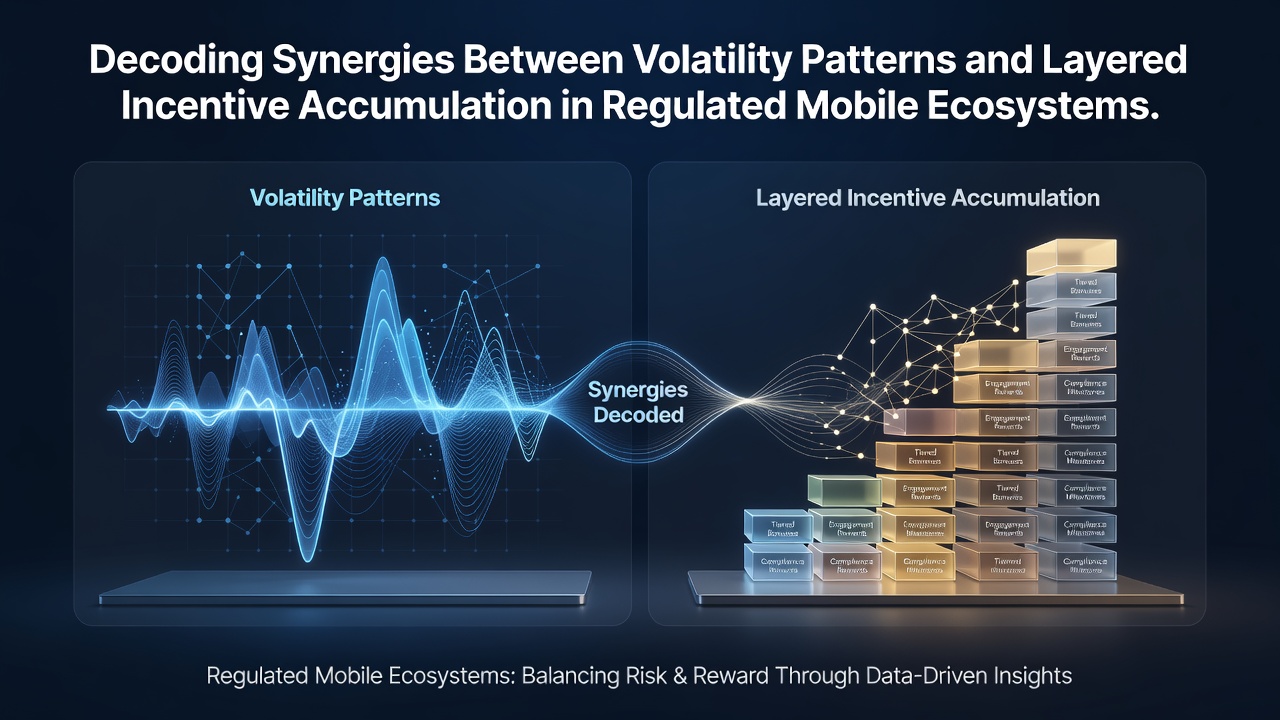
Regulated mobile gaming platforms operate under frameworks that tie volatility metrics directly to how operators structure bonus tiers and reward sequences, with data from multiple jurisdictions illustrating consistent patterns across user sessions. Volatility refers to the frequency and size of payouts in slot mechanics, while layered incentive accumulation covers stacked elements such as free spin bundles, deposit multipliers, and loyalty point escalations that players unlock over repeated plays. Operators adjust these layers based on observed volatility bands to maintain compliance with payout reporting rules that took updated forms in several regions by early 2026.
Core Mechanics Linking Volatility Bands to Reward Structures
High-volatility titles concentrate larger wins in fewer spins, prompting platforms to layer incentives like extended free spin chains or progressive jackpot contributions that activate only after set thresholds, whereas low-volatility options spread smaller returns more evenly and pair them with frequent small bonus top-ups. Research from industry reports shows these pairings reduce session abandonment rates when incentives scale with volatility measures, because players encounter reward feedback that aligns with the underlying math models. Data collected through mandatory transaction logs reveals that sessions on medium-volatility games often accumulate the highest total incentive value before cash-out, since operators calibrate point multipliers to smooth variance across play cycles.
Regulators in Nevada and other US states require operators to document how volatility classifications influence bonus trigger rates, with filings from 2025 indicating that high-volatility games carry stricter caps on initial incentive layers to prevent excessive risk exposure. In contrast, Australian oversight bodies track similar data through state-level reporting, noting that low-volatility mobile titles support denser accumulation of loyalty tiers without triggering additional responsible gambling alerts. These regional differences create varied ecosystems where the same game title might present altered incentive depths depending on the licensing jurisdiction.
Regulatory Data Patterns Emerging in Mid-2026
By June 2026, aggregated figures from multiple licensed platforms indicated that volatility-informed incentive models produced measurable shifts in average session duration, with high-volatility configurations extending play windows when layered rewards included milestone-based jackpot entries. Observers note that mobile ecosystems enforce these models through algorithmic monitoring that flags deviations between declared volatility and actual incentive delivery rates. One study released by a European research consortium examined over 2.3 million anonymized sessions and found that incentive accumulation rates stabilized when operators matched bonus frequency to volatility quartiles, reducing complaint volumes related to perceived payout inconsistency.
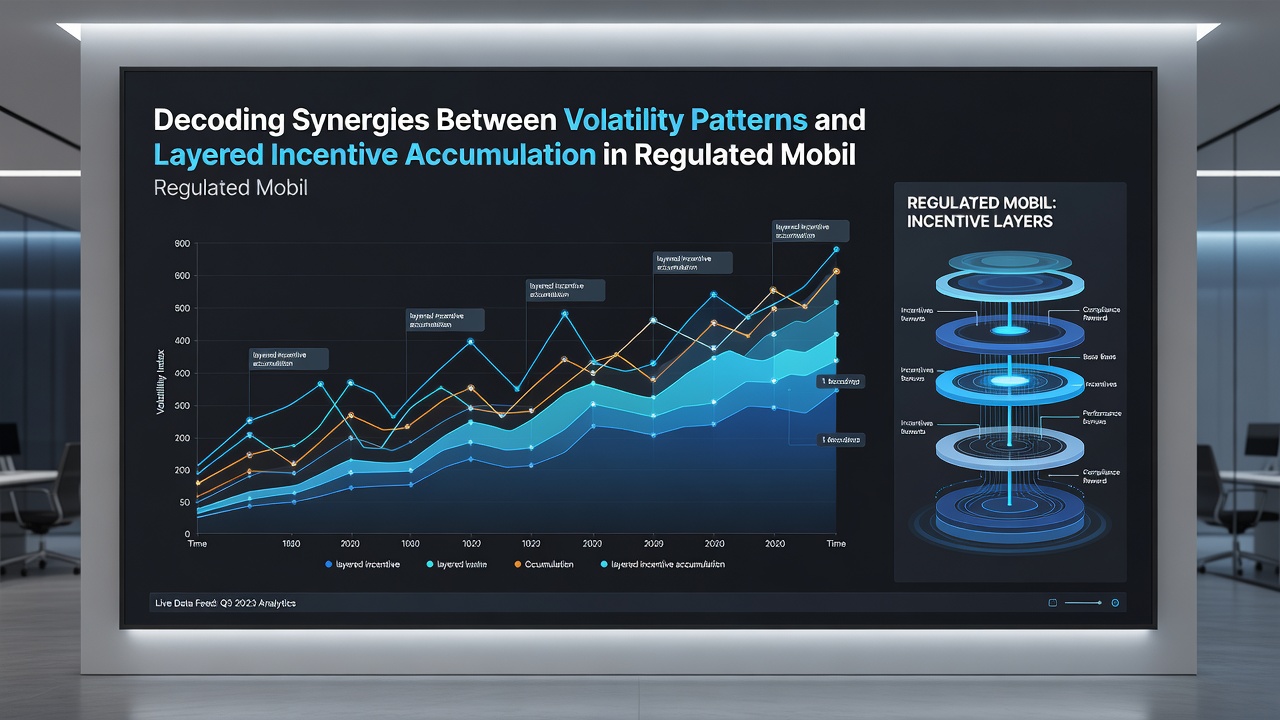
Platforms integrate real-time analytics to adjust incentive depth, such as increasing free spin allocations on high-volatility titles after consecutive low-return sequences, while maintaining audit trails that satisfy cross-border regulatory standards. Canadian provincial regulators have documented parallel trends, where mobile operators report incentive layering metrics alongside volatility disclosures to demonstrate fairness in reward distribution. The result appears in unified datasets that allow comparison across markets, revealing that layered systems perform best when incentive unlock conditions incorporate volatility-adjusted return-to-player targets.
Implementation Across Different Mobile Ecosystems
Developers embed volatility classifiers into game code, enabling platforms to apply incentive rules automatically based on detected patterns during live play. For instance, a title rated in the upper volatility quartile might restrict early bonus stacking until a minimum spin count is reached, a measure reported in filings to bodies like the Nevada Gaming Control Board. Lower-volatility games, by comparison, permit faster accumulation of small reward layers that encourage continued engagement without large variance spikes. Industry associations such as the European Gaming and Betting Association have compiled case summaries showing how these coded linkages support compliance audits conducted at regular intervals.
Players encounter these synergies through interface elements that display both volatility indicators and current incentive progress bars, with updates occurring after each completed game round. Data from platform telemetry indicates that such transparency correlates with higher completion rates of multi-layer reward programs when volatility information is presented alongside progress metrics. Academic analyses from university-led projects have further examined how these combined displays influence decision-making sequences, confirming that users adjust bet sizing in response to visible incentive thresholds that scale with volatility levels.
Conclusion
Patterns observed across regulated mobile ecosystems demonstrate direct connections between volatility classifications and the design of layered incentives, supported by reporting requirements in multiple jurisdictions. Continued data collection through 2026 and beyond will refine these linkages as operators and regulators refine calibration methods. External references such as those from the Nevada Gaming Control Board and studies hosted by the ScienceDirect research database provide ongoing documentation of these operational frameworks.