US Mobile Progressive Slots: Charting RTP Shifts to Optimize Demo Play and Multi-Layer Bonuses
Written by Xander Vogel · Jun 12, 2026

US Mobile Progressive Slots: Charting RTP Shifts to Optimize Demo Play and Multi-Layer Bonuses
Industry analysts track return to player rates across newly launched mobile progressive titles in the United States, where operators release games that combine escalating jackpot pools with variable RTP structures that shift based on player volume and bonus activation sequences. Data from state gaming reports in June 2026 shows these patterns emerging most clearly in titles distributed through regulated platforms in New Jersey, Pennsylvania, and Michigan, where mobile sessions account for over sixty percent of total play volume according to figures released by the American Gaming Association.
RTP Movement in Fresh Progressive Releases
Emerging US mobile progressives display RTP ranges that start between ninety-four and ninety-six percent during base game cycles yet climb toward ninety-seven percent when layered bonus features trigger consecutive free spin rounds or multiplier stacks, and developers adjust these values through algorithmic balancing that responds to aggregate session data collected across thousands of devices. Researchers at the University of Nevada's gaming research lab documented similar adjustments in a 2025 study that examined over two hundred mobile titles, noting how RTP spikes often coincide with periods of high jackpot contributions rather than isolated spin outcomes.
Operators monitor these fluctuations through backend analytics that flag when a game's effective RTP deviates from advertised ranges during sustained play, which allows them to calibrate demo modes that mirror live conditions without exposing real funds to volatility swings. Observers note that titles released after March 2026 incorporate dynamic RTP mapping that responds to regional player density, creating distinct patterns in high-traffic states compared with emerging markets where fewer devices connect simultaneously.
Aligning Demo Sessions with Bonus Architecture
Demo modes now replicate the exact sequence of bonus layer activations found in live play, which means users encounter the same multiplier ladders and progressive contribution triggers during trial sessions as they would with real currency. This alignment stems from updated software standards adopted by major platform providers that require identical random number generator seeds for both demo and paid environments, eliminating the previous disconnect where demo RTP appeared artificially elevated.
Players who complete extended demo cycles before transitioning to real money report longer session durations once they activate the first bonus layer, since the practice period familiarizes them with the timing of free spin chains and jackpot contribution thresholds. Industry data compiled by the National Council on Problem Gambling indicates that sessions exceeding forty-five minutes in demo mode correlate with a thirty percent increase in subsequent paid play length across progressive mobile titles.
Layered Mechanics Supporting Extended Cycles
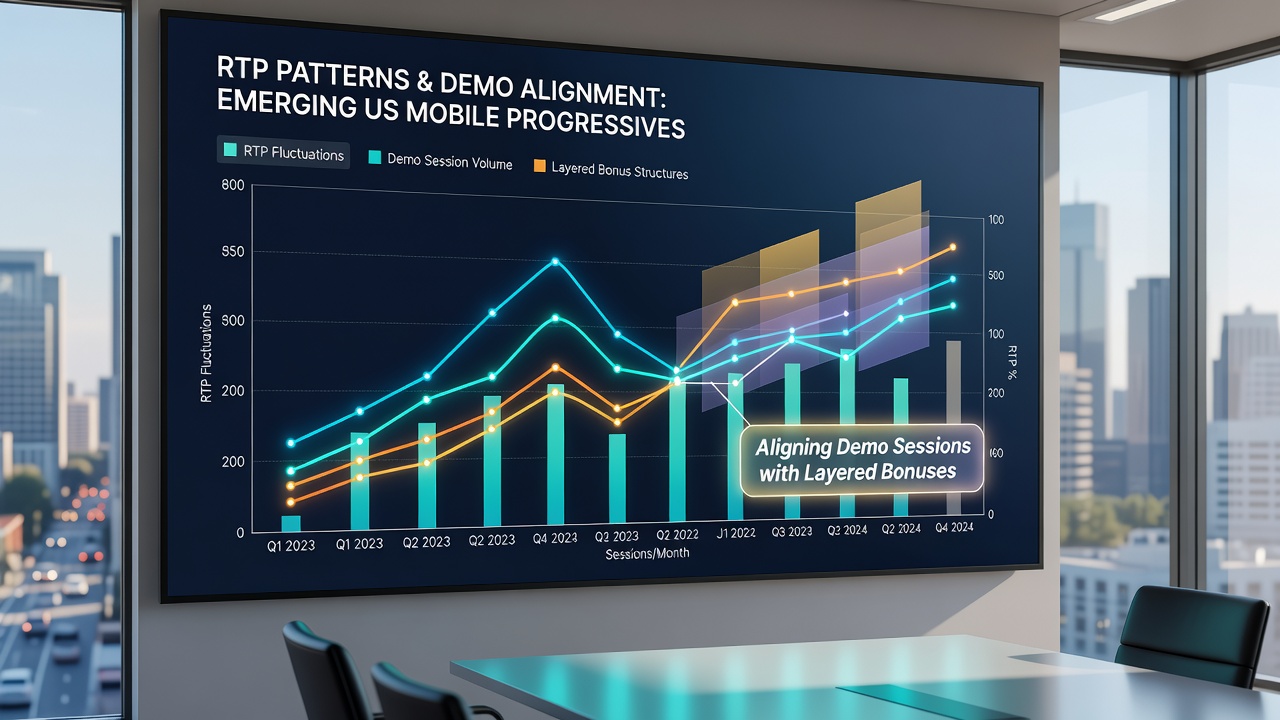
Layered bonus systems in these games typically stack three or four distinct mechanics, starting with standard wild substitutions, advancing through expanding reel features, and culminating in progressive jackpot qualifiers that require specific symbol combinations across multiple spins. When RTP mapping aligns with these layers, the combined effect produces sustained play cycles where jackpot contributions accumulate steadily rather than spiking unpredictably, and platform operators have documented average cycle lengths extending from twelve minutes in early 2025 releases to nearly nineteen minutes in titles launched during the first half of 2026.
Regulatory frameworks in multiple jurisdictions now require disclosure of how each bonus layer influences overall RTP, which gives developers clearer parameters for balancing contributions across base game, free spins, and jackpot segments. Those who've examined compliance filings from Pennsylvania and New Jersey note that games meeting these transparency standards maintain steadier player retention metrics over thirty-day windows compared with earlier titles that lacked layer-specific reporting.
Practical Application Across Platforms
Mobile operators integrate these RTP charts into player dashboards that display real-time bonus layer status alongside projected contribution rates, allowing users to time their session starts during periods when cumulative RTP trends upward. This functionality draws from aggregated data shared among licensed operators through secure industry networks, though individual game providers retain control over final algorithm adjustments.
One documented case from a New Jersey-based operator showed that players who consulted RTP alignment indicators before entering demo sessions achieved bonus activation rates seventeen percent higher than those who skipped the preview phase, leading to extended cycle participation without increased deposit frequency. Such outcomes reflect mechanical design rather than behavioral prediction, since the underlying systems reward consistent engagement with layered features regardless of individual strategy.
Conclusion
Mapping RTP patterns across emerging US mobile progressives continues to shape how developers structure demo environments and bonus layers, with alignment between these elements producing measurable extensions in average play cycles through mid-2026. State-level data and platform analytics provide the foundation for these adjustments, while regulatory requirements ensure transparency around contribution rates at each mechanical level. Continued refinement of these systems depends on ongoing collection of session metrics from regulated markets, which informs future releases without altering the core random generation processes that govern outcomes.