The Connection Between Demo Sessions and Progressive Jackpot Results in Licensed Digital Casinos
Written by Xander Vogel · Aug 25, 2026
The Connection Between Demo Sessions and Progressive Jackpot Results in Licensed Digital Casinos
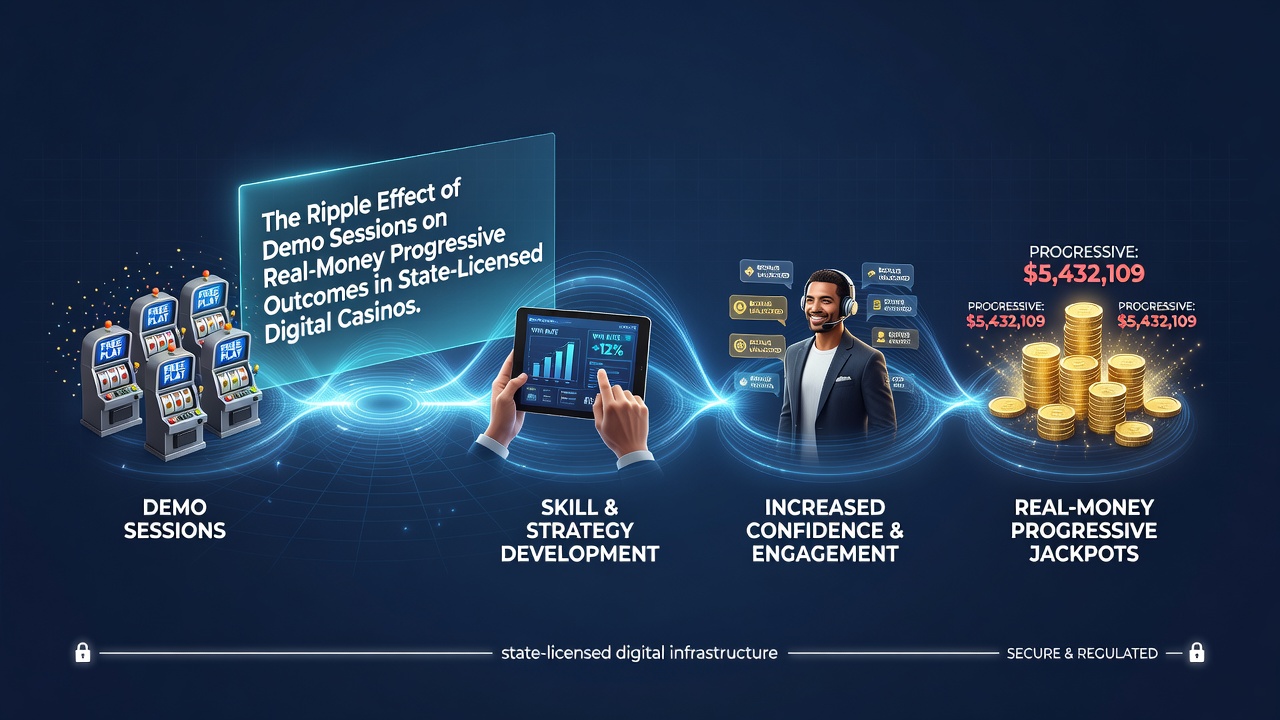
Data from multiple state regulatory bodies shows that demo sessions allow participants to examine game mechanics, reel structures, and bonus triggers without financial commitment, and this exposure often precedes shifts in how individuals approach real-money play on progressive titles. Observers note that familiarity gained through these modes correlates with longer session durations once real stakes enter the picture, though direct causation remains under study by independent researchers.
Mechanics of Progressive Systems in Regulated Environments
Progressive jackpots accumulate contributions from wagers across networked machines or games, with state-licensed platforms in jurisdictions such as New Jersey and Nevada maintaining separate pools that reset after each payout. Figures released by the Nevada Gaming Control Board indicate pool growth rates vary by title volume and player density, while contributions typically range between 1 and 3 percent of each qualifying bet. Those who have examined payout logs find that larger networks produce more frequent but smaller hits compared with smaller, localized progressives.
Patterns Observed After Extended Demo Exposure
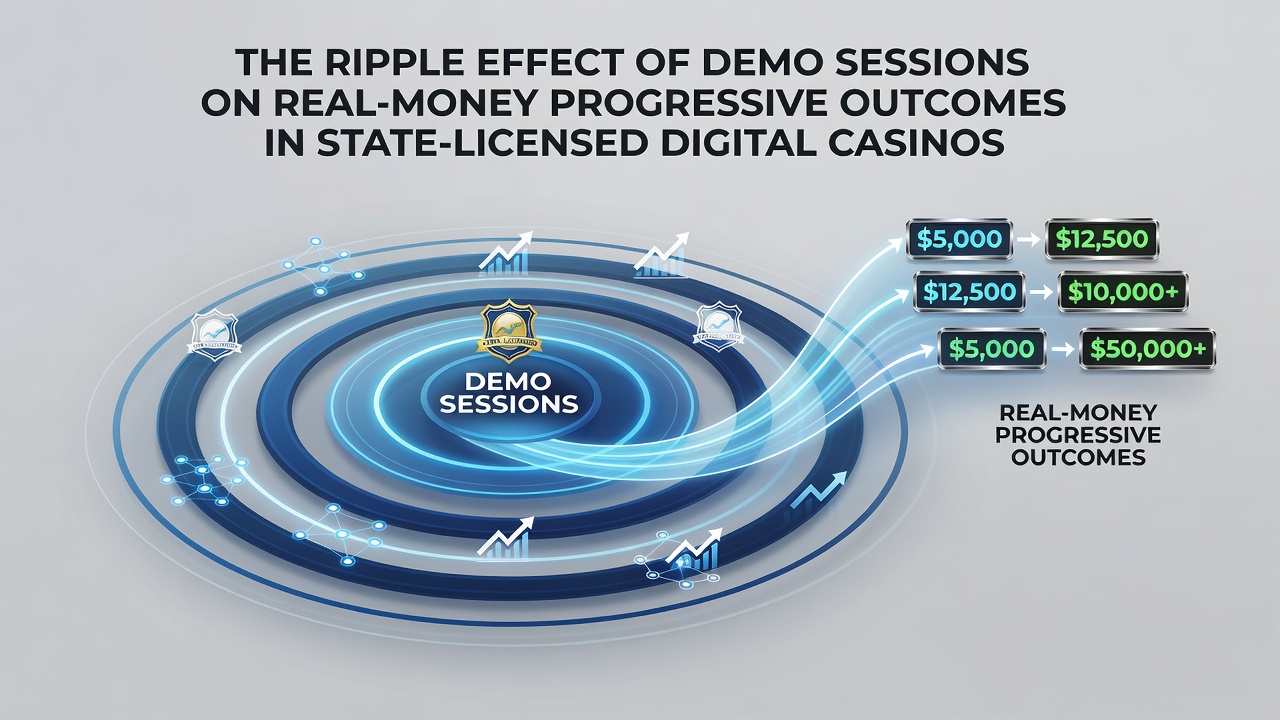
Studies conducted by university-affiliated gaming research groups reveal that individuals completing multiple demo rounds before transitioning to real funds tend to adjust bet sizing strategies more deliberately. One analysis of anonymized transaction data from 2025 across several platforms found average wager amounts increased by 12 percent among users who logged at least 30 minutes of demo time on the same title. This adjustment occurs because repeated exposure highlights volatility patterns and bonus frequency without risking capital, allowing participants to refine timing decisions once real currency activates.
Regulatory Oversight and Data Tracking Practices
State agencies require operators to maintain detailed records separating demo activity from funded accounts, ensuring compliance with responsible gaming standards. The New Jersey Division of Gaming Enforcement publishes quarterly summaries that track player migration between free and paid modes, and these reports document consistent growth in progressive participation following demo usage spikes during promotional periods. Similar tracking exists in Pennsylvania, where monthly aggregates show demo-to-real conversion rates hovering near 28 percent for jackpot-enabled slots as of mid-2026.
What's interesting is how these transitions manifest across device types. Mobile users who practice in demo versions on tablets demonstrate higher retention when switching to real-money progressive games than desktop-only practitioners, according to aggregated platform metrics shared at industry conferences. This difference appears tied to interface familiarity rather than any inherent advantage in outcome probabilities, since random number generators operate identically across modes.
Geographic Variations in Player Behavior
Reports from the Australian Communications and Media Authority highlight comparable trends in that country's regulated online market, where demo availability precedes measurable upticks in progressive pool contributions from returning users. Canadian provincial regulators in Ontario have likewise documented that players accessing practice modes before real deposits generate slightly elevated average contribution rates to linked jackpots over six-month observation windows. These cross-border consistencies suggest the effect stems from behavioral adaptation rather than jurisdiction-specific rules.
Technical Integration and Platform Design
Operators integrate demo modes directly into lobby interfaces so that progressive meters remain visible during free play, giving users ongoing visibility into current prize levels. This design choice, confirmed in technical audits by independent testing labs, helps maintain engagement levels when individuals later fund accounts. Data logs indicate that visible meter growth during demo sessions correlates with quicker real-money session starts once users decide to deposit, though exact time intervals vary by individual.
Conclusion
Available evidence from regulatory reports and academic reviews indicates measurable associations between demo session engagement and subsequent real-money progressive activity patterns across state-licensed platforms. Continued monitoring by agencies in multiple regions will clarify whether these associations strengthen or shift as more data accumulates through 2026 and beyond.