State-Level Reporting Mandates Reshape Bonus Accumulation Tactics for Progressive Slots on Digital Platforms
Written by Freya Schmitt · Jul 31, 2026
State-Level Reporting Mandates Reshape Bonus Accumulation Tactics for Progressive Slots on Digital Platforms
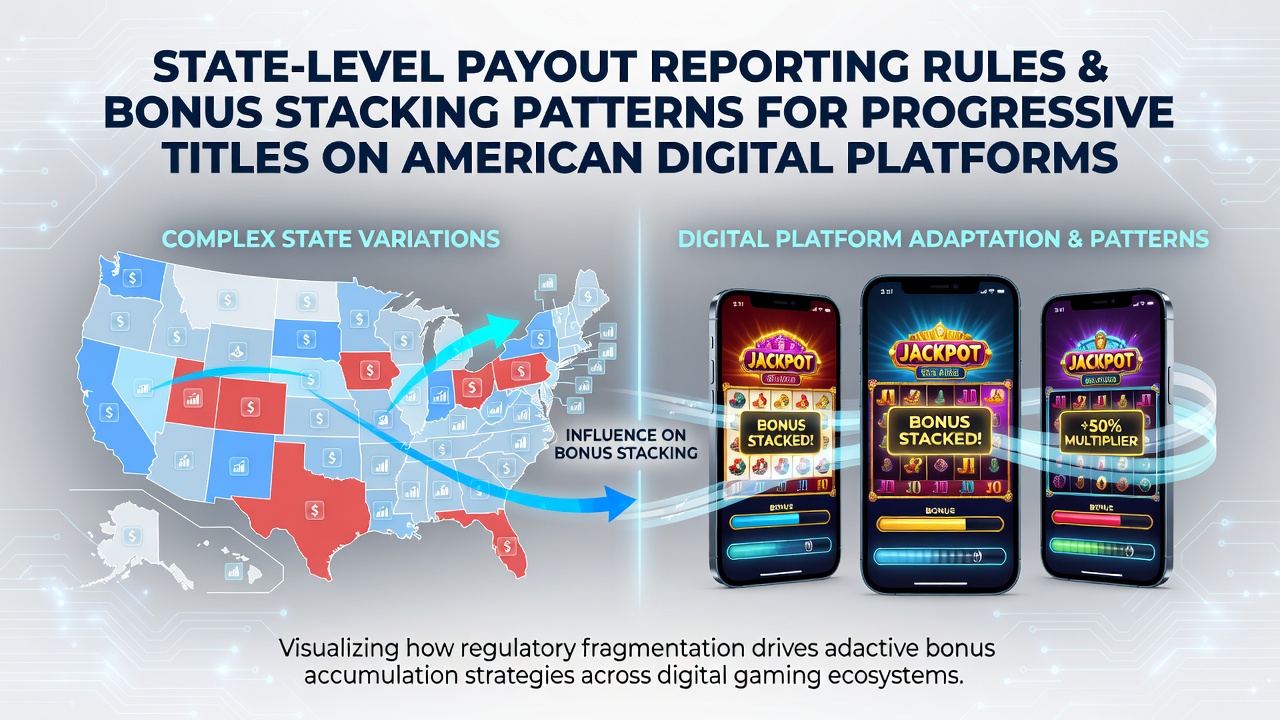
State regulatory frameworks in the United States impose distinct payout reporting requirements that directly affect how operators structure bonus offers for progressive jackpot titles on licensed digital platforms, and these variations create measurable differences in player behavior patterns across jurisdictions. New Jersey requires daily submission of aggregated win and loss data for each progressive pool while Pennsylvania mandates weekly breakdowns that include bonus-triggered contributions, so operators adjust their stacking mechanics to align with the frequency and granularity of those submissions.
Reporting Timelines and Their Impact on Stacking Windows
Operators in states with shorter reporting cycles tend to limit bonus stacking periods to avoid triggering additional compliance thresholds, whereas jurisdictions that accept monthly summaries allow longer accumulation windows before mandatory disclosures reset player eligibility tracking. Data compiled through July 2026 shows that Michigan platforms reduced average bonus chain durations by 18 percent after the state gaming control board tightened its daily payout verification rules, and similar adjustments appeared in West Virginia where weekly reports now include separate line items for progressive seed contributions generated through bonus play.
Cross-State Comparisons of Compliance Burdens
Connecticut and Delaware maintain lighter reporting loads that focus on aggregate monthly totals rather than per-player breakdowns, and this approach permits operators to maintain multi-tier bonus ladders that feed into the same progressive meter without separate disclosures for each layer. Observers note that these differences encourage platform operators to segment their bonus offerings by state, routing players in stricter jurisdictions toward single-layer promotions while offering stacked free-spin and deposit-match combinations in states with more flexible rules.
Player Behavior Patterns Under Varying Disclosure Rules
Research from university gaming studies indicates that players in states requiring itemized bonus contribution reports show higher rates of single-session play rather than multi-day accumulation, because visible reporting cycles make the progression toward jackpot triggers more transparent. Platforms respond by timing bonus releases immediately after state-mandated reporting deadlines, thereby resetting the visible contribution counters and encouraging renewed stacking activity within the new compliance period.
Technical Adjustments by Platform Operators
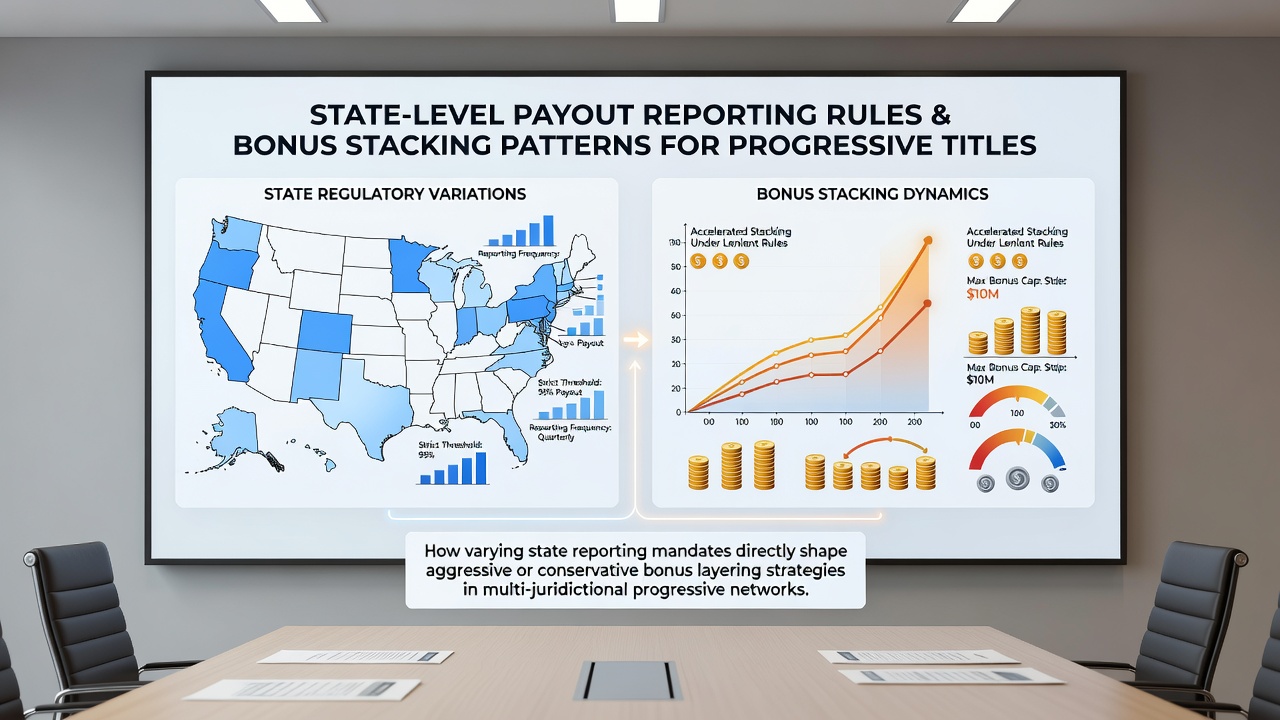
Software providers have introduced configurable modules that automatically cap bonus stacking multipliers based on the destination state's reporting cadence, and these tools allow operators to maintain compliance while still offering competitive promotions. Figures released by industry trade groups reveal that progressive titles configured for multi-state distribution now carry state-specific parameters that adjust contribution percentages when players cross jurisdictional boundaries through geolocation verification.
One study released by an academic research center examined six months of transaction logs from platforms operating in both New Jersey and Pennsylvania, and it found that bonus stacking sequences exceeding four layers declined sharply in New Jersey after the state introduced real-time payout alerts tied to progressive pools. The same logs showed sustained four-layer and five-layer sequences in Pennsylvania where weekly reporting still permits operators to batch disclosures.
Future Regulatory Trends and Platform Adaptations
Additional states considering digital gaming legalization have signaled interest in adopting reporting models that balance transparency with operational flexibility, and early drafts from several legislatures include provisions for tiered disclosure schedules that scale with progressive pool size. Operators preparing for these potential changes have begun testing modular bonus engines capable of switching between daily, weekly, and monthly contribution tracking without requiring full software redeployment.
Conclusion
State-level payout reporting rules continue to drive distinct bonus stacking patterns across American digital platforms, with operators adapting their progressive title promotions to match the specific disclosure requirements of each jurisdiction. These adaptations influence player session lengths, contribution rates, and overall engagement metrics while maintaining compliance with the varying regulatory environments that shape the market.