Seasonal Player Shifts Driving Changes in RTP Across US Interstate Progressive Slot Networks
Written by Logan Müller · Jul 24, 2026
Seasonal Player Shifts Driving Changes in RTP Across US Interstate Progressive Slot Networks
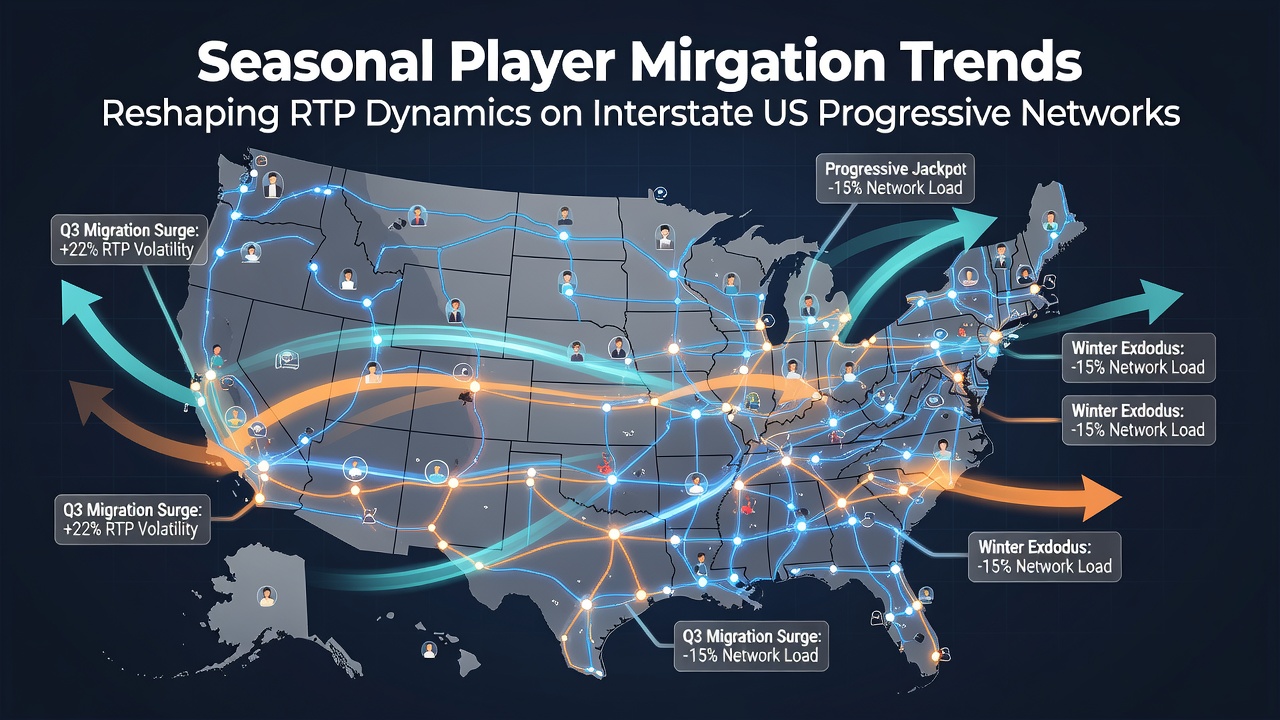
Seasonal player migration trends have gained attention in recent analyses of interstate progressive networks that link slot machines across multiple US states, where movement patterns appear to influence return-to-player calculations and jackpot accumulation rates. Observers note that these networks rely on aggregated play from participating jurisdictions, and shifts in player locations during different times of the year create measurable variations in contribution volumes.
Understanding Interstate Progressive Structures
Interstate progressive networks pool bets from machines in states with compatible regulations, allowing jackpots to grow faster than single-site systems because contributions arrive from wider geographic areas, while RTP percentages reflect the combined performance across those linked platforms. Data from regulatory filings indicate that networks spanning regions with high seasonal tourism see contribution spikes when populations increase, which in turn affects the frequency and size of jackpot triggers. Researchers at institutions such as the University of Nevada Reno have examined these dynamics through aggregated play records, revealing consistent correlations between migration periods and adjusted payout ratios.
Key Migration Patterns Observed in 2025-2026
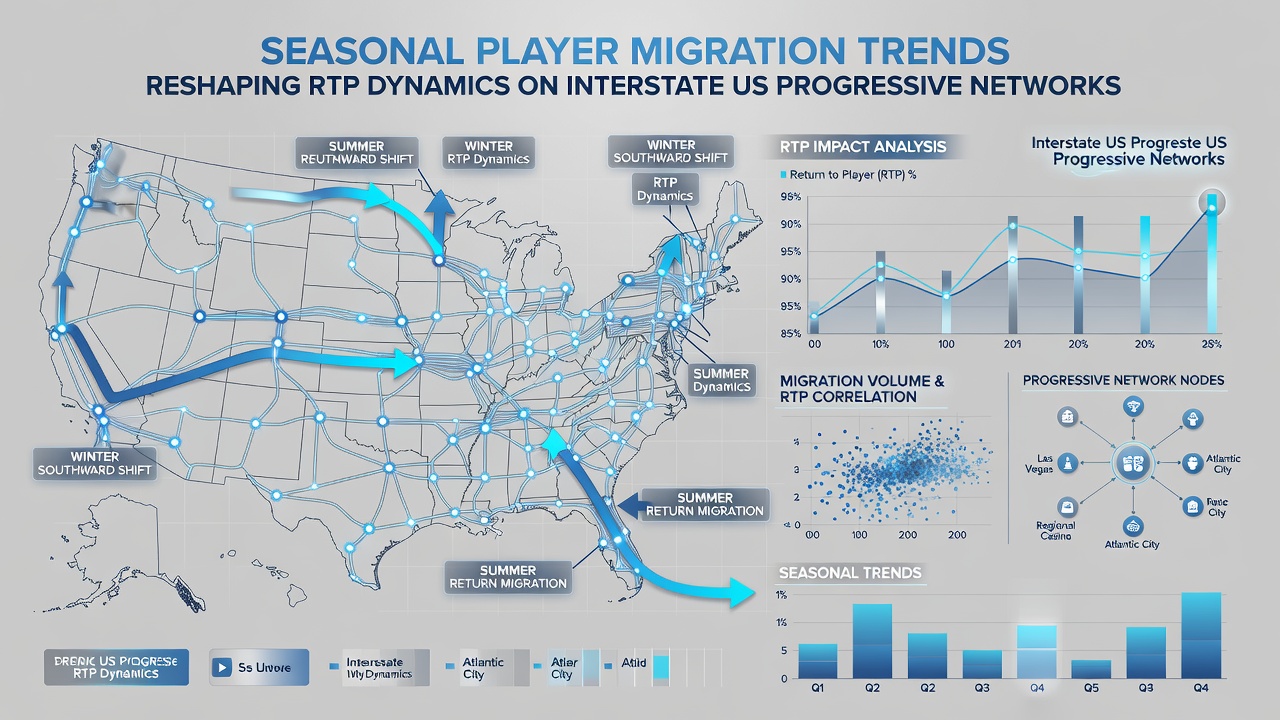
Winter months typically draw players toward southern and southwestern states, with data through July 2026 showing elevated activity in Florida, Arizona, and Nevada networks as northern residents relocate temporarily, whereas summer periods bring increased play to coastal and mountain destinations in states like New Jersey, Colorado, and Michigan. These movements alter the rate at which progressive meters advance because more participants contribute during peak seasons in destination areas, while origin states experience relative slowdowns. Figures compiled by the American Gaming Association highlight that networks connecting these regions recorded up to 18 percent higher daily contributions during migration peaks compared to off-season baselines.
Impact on RTP Calculations
RTP on progressive slots incorporates both base game returns and the progressive component, so when player volumes shift across state lines the overall percentage can fluctuate based on how quickly the jackpot grows and resets. Those who track these systems report that networks with heavy winter inflows often display slightly elevated effective RTP during those months because increased play accelerates jackpot cycles, yet the base RTP remains fixed by game design while the progressive share varies with meter activity. Studies published in the Journal of Gambling Studies have documented similar patterns in multi-jurisdiction setups, noting that operators adjust marketing and machine placement to align with anticipated migration flows.
One case examined networks linking Illinois and Indiana, where summer tourism to lake regions boosted contributions and shortened average time between jackpots, whereas winter play concentrated in warmer partner states and produced different accumulation speeds. Such variations require network administrators to monitor cross-border data streams continuously, ensuring compliance with each state's reporting requirements while maintaining system integrity.
Regulatory and Operational Responses
State gaming control boards in participating jurisdictions have updated monitoring protocols to account for these seasonal effects, with some requiring quarterly reviews of contribution data segmented by migration periods. The Nevada Gaming Control Board, for instance, incorporates migration-adjusted models when evaluating network performance, whereas the New Jersey Division of Gaming Enforcement focuses on summer tourism impacts within its oversight framework. These approaches help maintain transparency for players and operators alike, as RTP disclosures must reflect actual network behavior rather than static assumptions.
Industry reports from the Canadian Gaming Association offer comparative insights, showing that cross-province systems experience analogous seasonal shifts that prompt similar recalibrations, although US interstate rules add layers of multi-state coordination not present in single-country setups. Operators respond by redistributing machines or adjusting promotional offers to balance play across the network during transitions between high and low seasons.
Future Considerations for Network Management
Analyses through mid-2026 suggest continued refinement of predictive models that incorporate weather data, travel statistics, and historical play volumes to forecast contribution changes, allowing networks to stabilize RTP visibility for participants. Academic work from institutions in Australia has explored parallel systems in that region, providing additional frameworks that US operators have referenced when refining their own interstate protocols. These efforts focus on data integration across platforms rather than altering core game mathematics, preserving regulatory compliance while adapting to real-world player movement.
Conclusion
Seasonal player migration continues to shape RTP dynamics within US interstate progressive networks through measurable effects on contribution rates and jackpot cycles, with ongoing monitoring by state regulators and network operators ensuring that systems remain responsive to these patterns. Data accumulated by July 2026 underscores the importance of geographic awareness in network design, as migration flows between states create predictable yet variable influences on overall performance metrics.