Loyalty Mechanics Powering Extended Play in Regulated US Progressive Slot Scenes
Written by Logan Müller · Aug 4, 2026
Loyalty Mechanics Powering Extended Play in Regulated US Progressive Slot Scenes
Regulated markets across states like New Jersey, Pennsylvania, and Michigan have seen loyalty systems evolve into core tools that connect player activity directly to progressive jackpot pools, where accumulated points unlock escalating rewards and multiplier opportunities that stretch individual sessions well beyond initial deposits. These programs track every spin on linked progressive titles, converting play volume into tiered benefits that reset or advance based on monthly cycles, and operators report measurable lifts in average session duration when such mechanics activate.
Core Components of Tiered Reward Structures
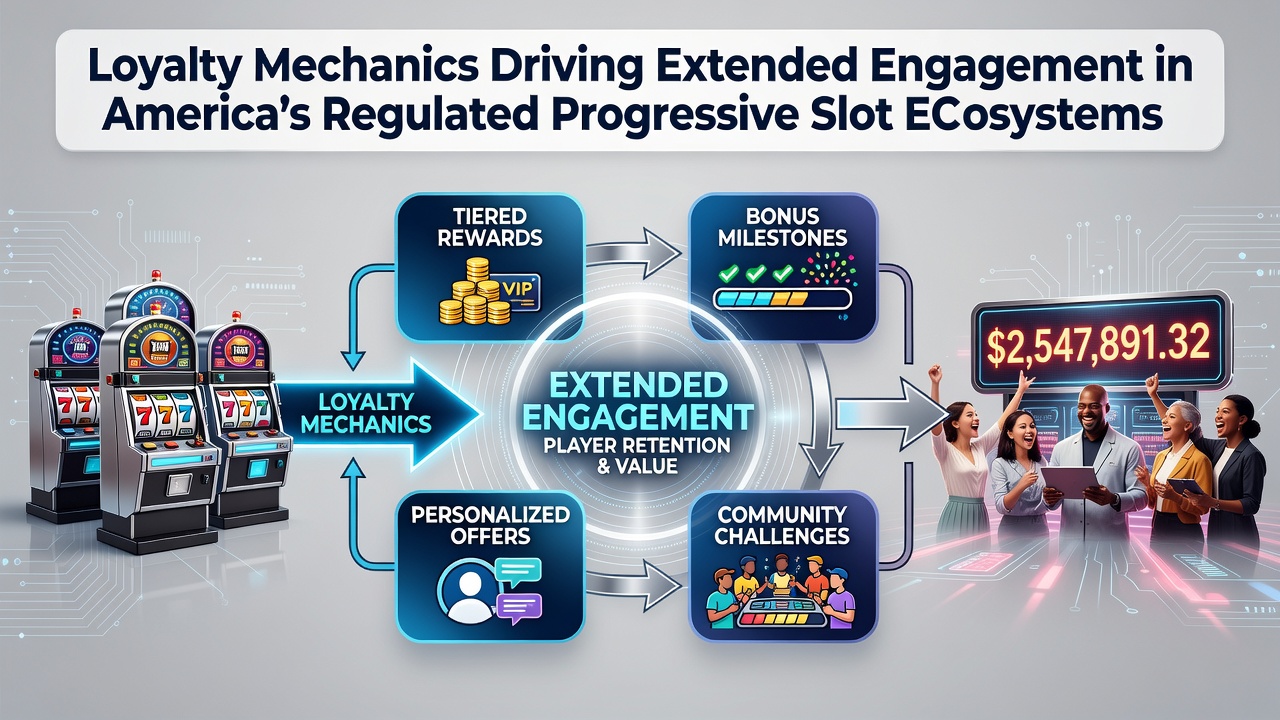
Operators structure loyalty around multi-level tiers that begin with basic point accrual for standard wagers and climb toward VIP status granting priority access to seeded progressive networks, daily free spins on high-RTP titles, and cashback percentages that scale with lifetime play. Data compiled by the American Gaming Association shows tier advancement correlates with a 35 percent increase in repeat logins within the first quarter of enrollment, while participants in top tiers maintain active sessions averaging 47 minutes longer than non-members during comparable periods.
Integration With Progressive Jackpot Ecosystems
Progressive slots in these jurisdictions feed a portion of each bet into shared jackpot meters that grow across networked machines, and loyalty overlays add another layer by awarding bonus entries or accelerated meter contributions once players hit specific point thresholds. In practice, a player reaching gold tier status might receive an automatic multiplier applied to their contribution rate on select progressives, which in turn feeds back into the main pool and extends the time required for the jackpot to trigger. This feedback loop keeps participants engaged as they monitor both personal progress and the rising meter values displayed on screen.

State gaming reports from Michigan indicate that loyalty-linked progressive activity accounted for over 28 percent of total handle in the second quarter of 2026, with August figures revealing sustained growth as operators introduced seasonal challenges that reward consecutive days of play on the same progressive bank. Those challenges often include milestone bonuses such as instant credit drops or tournament entries that reset weekly, creating recurring incentives that discourage abrupt session endings.
Data Patterns and Retention Metrics
Research from academic institutions tracking regulated gaming behavior reveals that players enrolled in integrated loyalty programs complete 2.4 times more spins per visit than those using standalone accounts, particularly on mobile platforms where push notifications alert users to nearing tier thresholds or imminent progressive triggers. Retention curves flatten significantly after the 90-day mark for loyalty participants, whereas non-enrolled users show steeper drop-off rates once initial welcome bonuses expire. Figures released through industry consortiums further note that average revenue per user rises steadily as loyalty tiers unlock, because the mechanics encourage smaller, repeated wagers that accumulate toward larger jackpot opportunities rather than single large bets.
Regulatory Context Shaping Program Design
State-level oversight bodies enforce strict rules on how loyalty rewards may link to real-money play, requiring clear separation between promotional credits and jackpot contributions while mandating transparent disclosure of odds and point expiration policies. In New Jersey, updated compliance standards effective mid-2026 emphasize audit trails for every loyalty transaction tied to progressive meters, which has prompted operators to refine their backend systems for real-time reporting. Similar frameworks in Pennsylvania tie licensing renewals partly to demonstrated player protection features within loyalty interfaces, such as optional session timers that activate alongside reward tracking.
Cross-Platform Engagement Tactics
Mobile applications now serve as primary interfaces for loyalty management, allowing users to monitor point balances, claim tier perks, and receive personalized progressive alerts without leaving the app. Integration with geofencing technology in permitted jurisdictions triggers location-based bonuses when players approach partnered venues or remain active during off-peak hours. Observers note that these features have driven measurable upticks in cross-device continuity, with many users beginning sessions on desktop and finishing on mobile while carrying forward the same loyalty status and progressive contribution history.
Conclusion
Loyalty mechanics have become embedded within America's regulated progressive slot environments through tiered points systems, jackpot-linked multipliers, and regulatory-compliant reward structures that collectively extend session lengths and elevate retention rates. Data from multiple state markets and industry analyses confirm that these frameworks sustain player activity by aligning personal progress with the communal growth of progressive pools, creating measurable patterns of longer, more frequent engagement across both land-based and mobile channels. As operators continue refining these tools under evolving compliance standards, the connection between loyalty participation and extended play remains a central feature of the regulated landscape.