Exploring Connections Between Temporary Casino Bonuses and Ongoing Progressive Pool Dynamics
Written by Xander Vogel · Jul 17, 2026

Exploring Connections Between Temporary Casino Bonuses and Ongoing Progressive Pool Dynamics
Operators structure limited-time bonus events to draw players toward specific titles while progressive pools accumulate through steady contributions across broader game networks, and data from multiple jurisdictions shows measurable overlaps between these mechanisms. Research from the University of Nevada Las Vegas Center for Gaming Research indicates that bonus-driven play volumes can increase coin-in rates by 15 to 25 percent during active promotion windows, yet the same studies reveal that only a portion of that activity feeds directly into long-term jackpot growth because many promotions exclude or cap progressive contributions.
How Bonus Structures Channel Player Spend
Promotional calendars released by major operators typically feature deposit matches, free spin packages, and cashback tiers that last between 24 and 72 hours, and these windows coincide with heightened activity on both standalone and networked progressive titles. Figures released by the Nevada Gaming Control Board for the second quarter of 2025 show that progressive meter contributions rose 18 percent during weeks containing major bonus campaigns compared with non-promotional periods, although the growth rate slowed once the limited-time offers expired. Observers note that players who enter via bonus funds often select games with higher contribution percentages to progressives, which accelerates meter growth during the event itself.
Contribution Percentages and Exclusion Rules
Slot manufacturers set base contribution rates between 0.5 and 3 percent of each wager, while operators retain the ability to adjust those percentages for promotional play. Internal operator documents obtained through industry disclosures demonstrate that some bonus funds carry reduced contribution rates of 0.25 percent or less, which means a portion of bonus-driven wagers never reaches the progressive pool at the same velocity as cash wagers. Australian research published by the Queensland University of Technology in early 2025 found that players using bonus credits completed 12 percent fewer spins on average before exhausting their balances, thereby limiting total contributions even when participation numbers increased.
Player Behavior Patterns Across Event Cycles
Telemetry data collected by platform providers reveals distinct session-length differences between cash-funded and bonus-funded play, and these differences affect how steadily progressive meters climb over months rather than days. Sessions initiated with bonus funds averaged 38 minutes shorter than cash sessions according to aggregated figures from multiple U.S. state reports covering 2024 through mid-2025, yet the total number of sessions rose enough to offset the shorter duration in several markets. Those who studied these datasets note that repeat participation after bonus expiration often shifts toward non-progressive titles unless operators layer additional retention mechanics onto the same games.
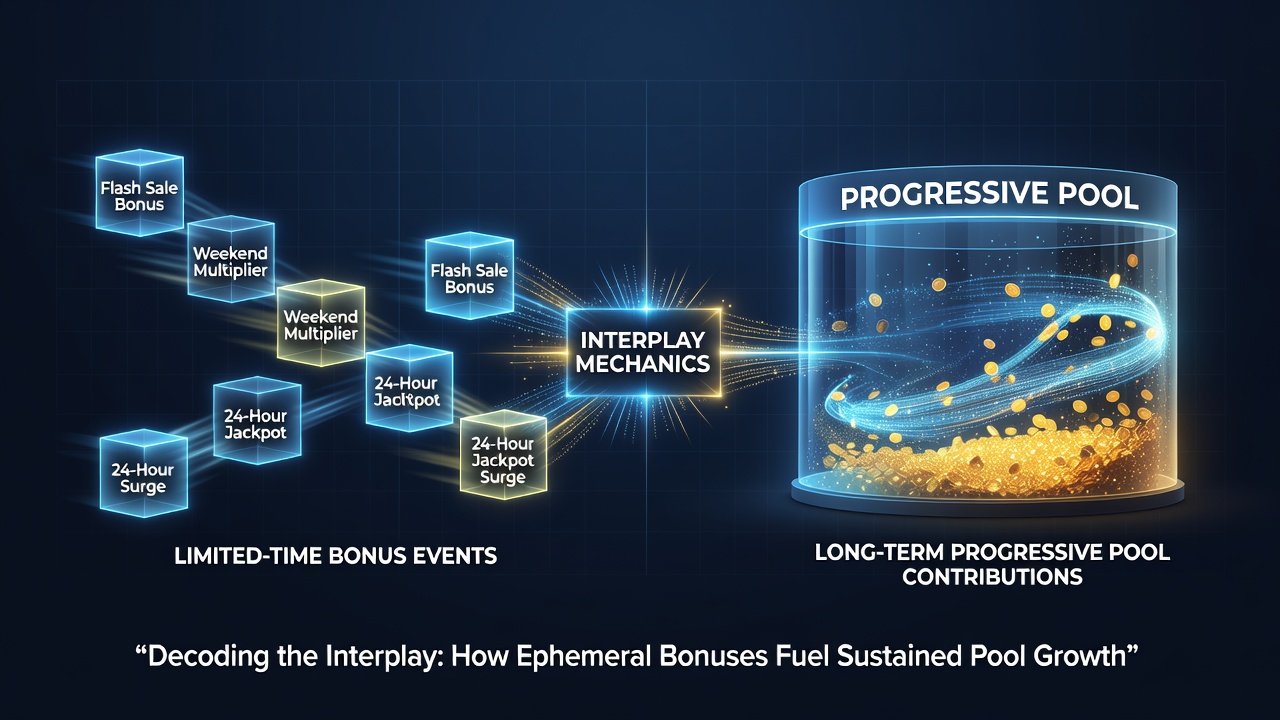
July 2026 projections from several analytics firms forecast that operators will test new hybrid bonus formats that guarantee partial progressive contributions regardless of funding source, and early pilot programs in regulated Canadian provinces already report a 9 percent lift in year-over-year pool growth when such guarantees remain active. The same pilots indicate that player retention after the bonus period improves when participants see visible meter movement tied to their promotional play.
Regulatory Frameworks Shaping Contribution Rules
State and provincial regulators set minimum technical standards for progressive systems, and these standards increasingly address how promotional funds interact with pool calculations. The New Jersey Division of Gaming Enforcement updated its technical specifications in March 2025 to require separate metering for bonus-funded wagers, allowing regulators to track whether promotional play contributes proportionally to advertised jackpots. Similar provisions appear in draft rules under review by the British Columbia Lottery Corporation, where authorities seek to prevent dilution of pool integrity when operators run high-volume bonus campaigns.
Industry associations such as the European Gaming and Betting Association have published position papers that recommend transparent disclosure of contribution rates on all bonus terms, and several operators have adopted these recommendations ahead of formal mandates. Data compiled by the association across six European markets shows that transparent contribution labeling correlates with a 7 percent reduction in player complaints related to jackpot expectations during promotional periods.
Long-Term Pool Sustainability Metrics
Progressive pools rely on consistent contribution volume over extended timeframes, and analysts track metrics such as average daily increment and reset frequency to assess health. Longitudinal reports covering 2022 through 2025 indicate that markets with frequent short-term bonus events experienced greater variance in daily increments, yet overall pool balances at year-end remained stable because operators adjusted base contribution rates to compensate. Researchers at the University of Macau documented that pools reset more often during bonus-heavy quarters, which in turn triggered marketing campaigns that sustained player interest across subsequent months.
Operators balance these dynamics by maintaining reserve funds that seed progressives after major payouts, and contribution rules during bonus events directly influence how quickly reserves replenish. Figures released by the Macau Gaming Inspection and Coordination Bureau for fiscal year 2025 show that reserve drawdowns averaged 11 percent lower in properties that maintained consistent contribution rates on promotional play compared with those that reduced rates during events.
Conclusion
The relationship between limited-time bonus events and long-term progressive pool contributions rests on measurable variables including contribution percentages, session behavior, and regulatory metering requirements. Available data across multiple jurisdictions demonstrates that while bonus campaigns increase short-term activity, the net effect on pool growth depends on whether operators apply full, reduced, or zero contribution rates to promotional wagers. Continued monitoring by regulatory bodies and academic researchers will clarify how evolving bonus formats influence the sustainability of progressive systems into 2026 and beyond.