Evoke plc Enters Takeover Talks with Bally’s in £225m All-Share Deal
Written by Xander Vogel · May 8, 2026

Evoke plc Enters Takeover Talks with Bally’s in £225m All-Share Deal
Details Emerge on the Potential Bally’s Takeover
Evoke plc, the UK-listed company behind William Hill betting shops and the 888 online casino brand, revealed it's holding discussions with US casino operator Bally’s and its affiliate Intralot for a possible all-share takeover; the deal carries a valuation of £225 million at 50p per share, complete with a partial cash option for shareholders. This development follows a report in The Sunday Times, which first spotlighted the talks, and Evoke confirmed the approach publicly amid rising speculation. Bally’s now faces a deadline of May 18, 2026, to formalize its intentions or walk away, setting the stage for what could reshape ownership in a key slice of the UK gambling landscape.
What's interesting here is how the structure leans heavily on shares rather than straight cash, a move that reflects Bally’s strategy to conserve liquidity while gaining control of Evoke’s established brands; observers note this approach often appeals in sectors like gambling, where assets like customer bases and shop networks hold long-term value. Take one analyst who pointed out similar deals in the past, where all-share offers smoothed paths through regulatory hurdles by aligning interests between buyer and seller.
And while the 50p per share price marks a premium over recent trading levels—Evoke’s stock had dipped below that amid broader pressures—the partial cash element gives shareholders flexibility, letting them cash out portions without fully tying up in Bally’s equity. Figures from the announcement show this could deliver immediate value to investors who've watched shares tumble, yet the all-share bulk underscores Bally’s aim to integrate Evoke into its growing portfolio without massive upfront outlays.
Evoke’s Journey Since the William Hill Acquisition
Evoke, formerly known as 888 Holdings before rebranding, snapped up William Hill’s non-US assets for £2.2 billion back in 2022, a bold play that consolidated its position in both retail betting shops and online gaming; that deal, however, kicked off a rough patch, with shares plunging about 90% from their post-acquisition peaks as integration costs mounted and market headwinds hit hard. Researchers tracking the sector have observed how such mergers often strain balance sheets initially, especially when debt piles up—Evoke now carries £1.8 billion in net debt, a figure that looms large over any strategic moves like this takeover chat.
But here's the thing: the William Hill purchase brought over 2,400 betting shops into the fold, bolstering Evoke’s high-street presence even as online growth stuttered; data indicates retail betting still draws steady footfall in the UK, where punters mix shops with apps for everything from horse racing to slots. Yet those who've studied Evoke’s filings know the real drag comes from servicing that debt amid softer revenues, with higher gambling duties squeezing margins further since the government hiked rates on online operators.
Turns out, Evoke’s challenges echo wider trends in the industry, where firms juggle legacy retail with digital shifts; one case that experts often cite involves similar UK groups facing duty hikes that ate into profits by double digits, forcing cost cuts or asset sales. For Evoke, the Bally’s talks arrive at a pivot point, potentially offloading burdens while handing Bally’s a foothold in Europe’s regulated markets.
Regulatory Scrutiny and Past Fines Weigh on Evoke
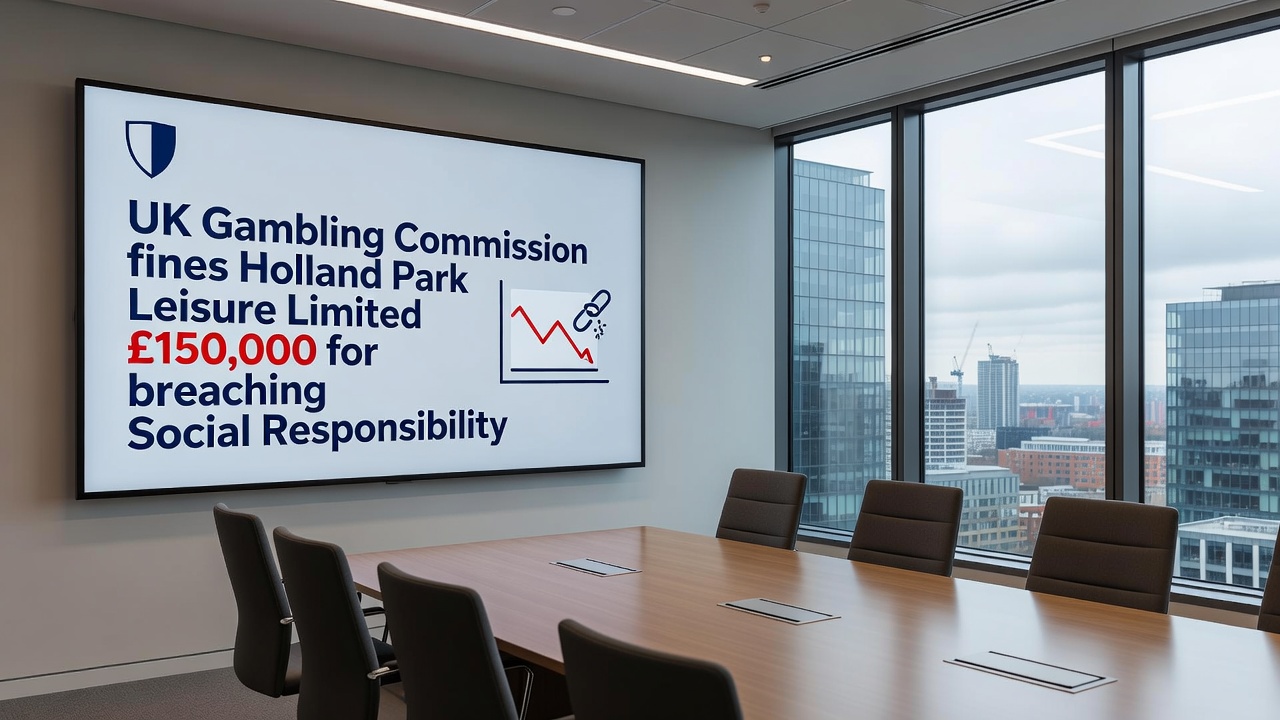
Higher gambling duties represent just one pressure cooker; Evoke has also navigated fines from the UK Gambling Commission, including hefty penalties tied to its 888 brand—£7.8 million in 2017 for failures around money laundering controls, followed by £9.4 million in 2022 over social responsibility lapses like inadequate checks on problem gambling. These hits, while not crippling alone, compounded operational headaches, prompting overhauls in compliance that diverted resources from growth.
Studies from regulatory watchdogs reveal such fines have surged across the sector, with the Commission doling out over £100 million in penalties last year alone; for Evoke, they served as wake-up calls, leading to tighter affordability checks and self-exclusion tools that now define its operations. And although the company reports improvements—customer protection metrics up 25% post-fines—the reputational scar lingers, making takeover appeal a double-edged sword where Bally’s might see value in cleaned-up processes.
Now, with Bally’s in the mix, regulators will eye the deal closely; precedents show cross-border mergers trigger reviews on everything from market share to player protections, especially since Bally’s brings US casino expertise that could blend with Evoke’s UK shops. It's noteworthy that Intralot’s involvement—known for tech in lotteries and betting—hints at backend synergies, like upgraded platforms for William Hill’s tills and 888’s apps.
The Timeline and Stakes Ahead
May 18, 2026, looms as the put-up-or-shut-up date, giving Bally’s roughly a year from the April announcement to table firm proposals or let the matter drop; under UK takeover rules, this "response deadline" forces clarity, preventing drawn-out speculation that rattles shareholders. Evoke’s board, tasked with maximizing value, has already signaled openness, but advisors caution that due diligence could drag if debt audits or shop valuations spark debates.
So what happens if Bally’s bites? Shareholders vote, regulators nod, and integration begins—potentially rebranding William Hill outlets with Bally’s flair while merging 888’s online tech with US know-how. Data from past deals suggests such mergers boost efficiencies by 15-20% through shared backends, although cultural clashes have tripped up others (think one US-UK gaming tie-up that stumbled on differing ad rules). Yet for Evoke, it's the debt relief that glitters most; shedding £1.8 billion via takeover could unlock cash for investments, staving off further share erosion.
Observers who've tracked Bally’s expansions note its aggressive push into Europe, with recent casino ventures signaling hunger for retail networks like William Hill’s; pairing that with 888’s million-plus online users creates scale, especially as US firms eye regulated havens amid domestic saturation. The reality is, rejection by May 2026 flips the script—Evoke might pivot to breakups, selling shops piecemeal or courting other suitors, a path that's kept afloat wobblier peers in the past.
Market Reactions and Sector Ripples
Shares perked up post-announcement, climbing toward the 50p offer amid thin trading volumes that reflect investor caution; analysts crunching numbers peg the deal as a lifeline, valuing Evoke’s assets above market caps depressed by debt fears. And while Bally’s stays mum beyond confirmations, its track record—snapping up UK casinos and tech firms—paints a picture of a consolidator betting on transatlantic growth.
Here's where it gets interesting: the gambling sector's seen a flurry of M&A lately, driven by duties and regs that favor bigger players; Evoke’s story fits the pattern, where mid-tier firms like it grapple with £2 billion-plus acquisitions gone sour, much like one peer that offloaded brands after a similar debt binge. People in the know highlight how Bally’s partial cash tweak sweetens the pot, echoing tactics that closed deals during 2023’s slowdown.
That said, hurdles persist—antitrust watchers will probe overlaps in online betting, and player groups push for safeguards in any merger; Evoke’s fine history means Bally’s inherits scrutiny, with Commission data showing elevated checks on incoming owners. Still, the ball’s in Bally’s court come May 2026, and early signs suggest momentum building toward a yes.
Conclusion
Evoke plc’s takeover talks with Bally’s and Intralot crystallize a pivotal moment for a company battered by debt, duties, and regulatory raps since its £2.2 billion William Hill grab; valued at £225 million with shares and cash, the deal offers a potential reset, hinging on firm intentions by May 18, 2026. Experts tracking these waters see it as classic sector churn—US operators circling UK assets amid pressures that demand scale—while Evoke’s brands like William Hill and 888 stand poised for fresh chapters, or standalone fights, depending on what Bally’s plays next. The writing’s on the wall: consolidation rolls on, reshaping betting shops and casino sites alike.