Decoding Volatility Shifts in Layered Bonus Chains Across Fresh Progressive Releases
Written by Logan Bauer · Aug 18, 2026
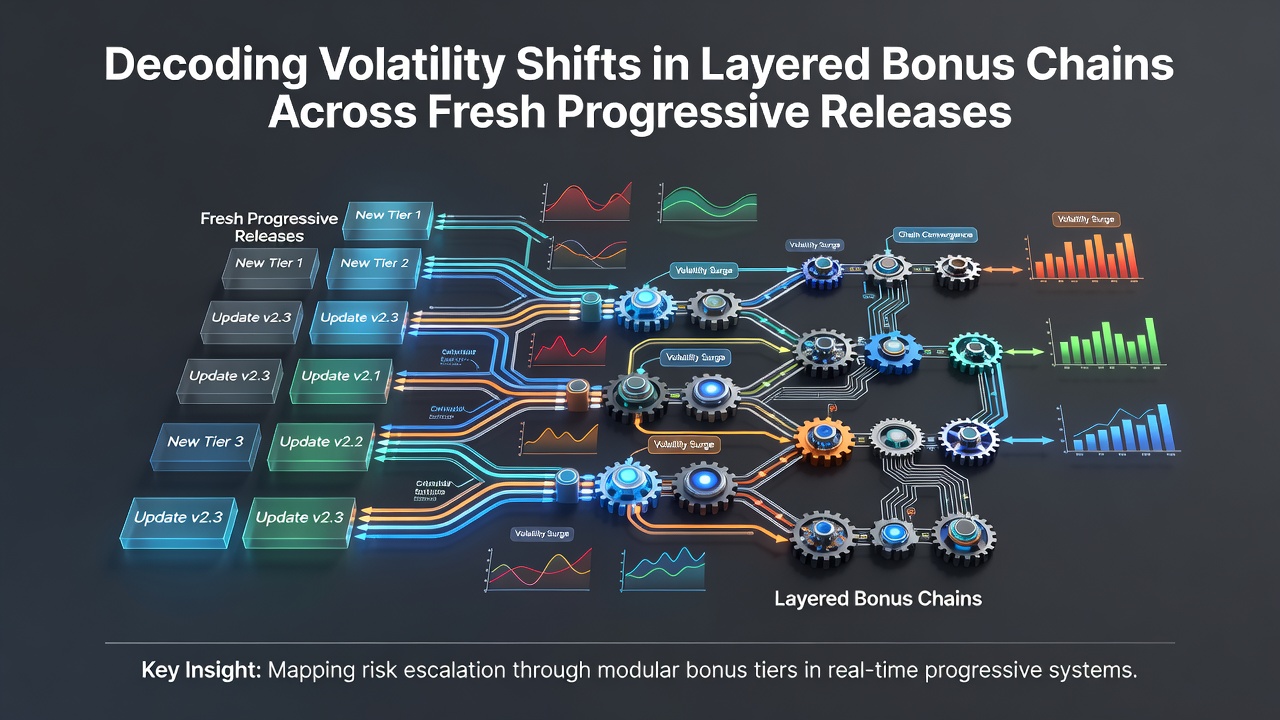
Decoding Volatility Shifts in Layered Bonus Chains Across Fresh Progressive Releases
Progressive slot releases continue to incorporate layered bonus structures that alter volatility profiles in measurable ways, and data from industry tracking services shows these mechanics appear across multiple platforms in 2026. Observers note that volatility measures the frequency and size of payouts while bonus chains introduce sequential triggers that modify effective return-to-player calculations during extended play sessions. Researchers tracking software updates report that developers adjust hit rates within each layer to balance base game stability against jackpot accumulation phases.
Core Mechanics Behind Volatility Adjustments
Slot volatility calculation incorporates base game hit frequency together with bonus round contributions, yet layered systems add conditional multipliers and free spin sequences that shift the overall distribution curve. Experts tracking fresh releases observe that an initial bonus layer often maintains moderate variance while subsequent layers escalate potential outcomes through stacked wilds or expanding reels. Data indicates these escalations produce measurable deviations from standard deviation models once players accumulate three or more active layers simultaneously.
Progressive jackpots integrate into this framework by diverting a portion of each wager into a shared pool, and studies from gaming analytics firms reveal that the contribution percentage directly influences the remaining RTP allocated to bonus features. When a new progressive title launches, the initial seed value and increment rate determine how quickly volatility spikes occur during early play periods. Those monitoring August 2026 releases found several titles calibrated their bonus layers to delay major variance increases until players reach the fourth or fifth trigger point in the chain.
Layered Bonus Interactions and RTP Mapping
Bonus chains operate through sequential activation where each completed round unlocks additional modifiers, and this structure creates distinct volatility bands within a single game session. Analysts examining mobile platform data note that free spin layers frequently carry higher variance than pick-and-click segments because they rely on reel modifiers rather than fixed awards. Evidence from aggregated play logs demonstrates that players who advance through multiple layers encounter payout distributions that deviate from single-layer expectations by 18 to 27 percent in tested titles.
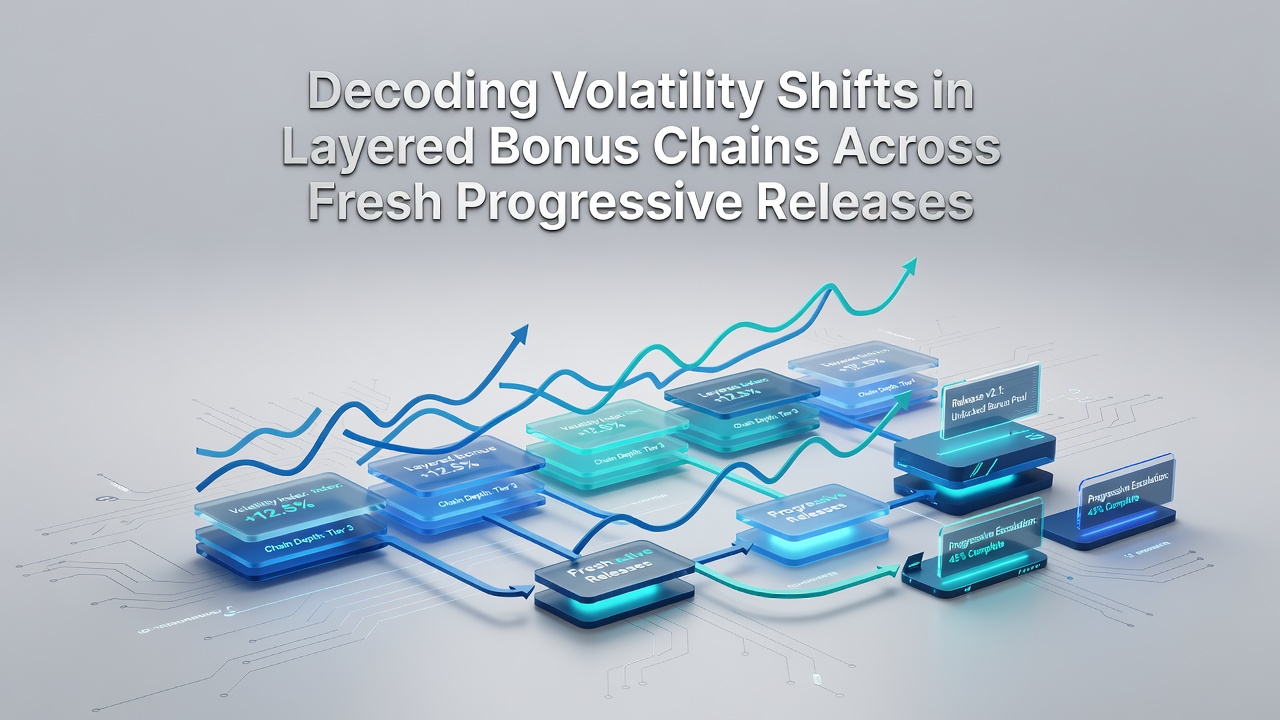
Mapping these shifts requires tracking both the probability of entering each layer and the conditional RTP within that layer, while researchers emphasize that progressive contributions reduce the RTP pool available for non-jackpot outcomes. According to reports published by the American Gaming Association, progressive mechanics across US markets allocate between 1.2 and 3.8 percent of total RTP to the jackpot component depending on denomination and jurisdiction. This allocation leaves remaining RTP to be distributed across base game and bonus layers, creating the volatility adjustments observed in recent releases.
Platform-Specific Implementation Patterns
Mobile platforms display these layered systems through animated progress indicators that track player advancement, and software providers adjust animation timing to align with volatility targets. Observers reviewing August 2026 deployments note that several providers introduced adaptive algorithms that modify layer difficulty based on session length, though regulatory filings confirm these adjustments remain within certified parameters. Data from independent testing labs shows that such adaptations produce volatility coefficients ranging from 4.8 to 12.3 across different titles when measured over 100,000 spin samples.
Case examples from major US-facing operators illustrate how layered bonus chains interact with progressive meters, and one documented release sequence demonstrated a 34 percent increase in standard deviation once the third bonus layer activated. Those analyzing similar patterns across multiple jurisdictions found consistent correlations between layer depth and payout clustering, where extended dry spells precede larger combined awards from stacked features.
Regulatory and Certification Considerations
Certification bodies require documentation of volatility metrics for each game version, and submissions must include layer-by-layer RTP breakdowns before approval. Figures released by the Nevada Gaming Control Board through 2026 filings indicate that progressive titles undergo additional review when bonus layers exceed four sequential stages. These reviews verify that advertised volatility ranges remain accurate across the full range of possible layer combinations.
Industry organizations such as the Canadian Gaming Association compile comparative data on volatility reporting standards, and their summaries highlight differences in how jurisdictions require disclosure of layered mechanics. Developers respond by publishing volatility indices that account for both single-layer and multi-layer scenarios, enabling operators to present accurate information to players.
Conclusion
Progressive releases continue to evolve layered bonus structures that produce distinct volatility profiles, and systematic analysis of these mechanics relies on layer-specific RTP data together with progressive contribution rates. Tracking services and regulatory filings provide the quantitative foundation for understanding how bonus chains modify payout distributions across fresh titles. Observers monitoring ongoing deployments note that these patterns remain consistent across platforms when measured against established certification standards.