Coordinating Return-to-Player Data and Bonus Scheduling in Recent Progressive Slot Updates on Mobile Systems
Written by Logan Bauer · Jul 21, 2026
Coordinating Return-to-Player Data and Bonus Scheduling in Recent Progressive Slot Updates on Mobile Systems
Operators managing mobile progressive slot releases track RTP metrics alongside bonus cycle schedules to maintain consistent player return expectations across network environments. Progressive titles accumulate jackpot contributions from player wagers, and fresh releases introduce updated RTP configurations that require precise alignment with promotional periods. Data synchronization occurs through backend systems that adjust displayed RTP values in real time as network conditions fluctuate during mobile sessions.
Understanding RTP Configurations in Progressive Releases
Return-to-player percentages in new progressive slots reflect the theoretical proportion of wagered amounts redistributed over extended play periods. Developers set base RTP figures during game certification, yet mobile network variations introduce adjustments that affect actual delivery. Fresh releases often incorporate dynamic RTP modules that respond to bonus activation triggers, allowing operators to align promotional windows with these modules. Research indicates that synchronization protocols reduce discrepancies between advertised and realized returns when bonus cycles overlap with peak network usage times.
Bonus Cycle Mechanics Across Mobile Networks
Bonus cycles represent defined intervals during which operators activate free spins, multipliers, or jackpot boosts tied to progressive pools. On mobile platforms these cycles depend on server-side timers that coordinate with player activity logs and network latency reports. Systems collect data on session durations, bet frequencies, and connection stability to time bonus deployments accurately. Studies from gaming technology firms show that misalignment between RTP updates and bonus start times can shift effective returns by several percentage points during initial release phases.
Technical Synchronization Processes
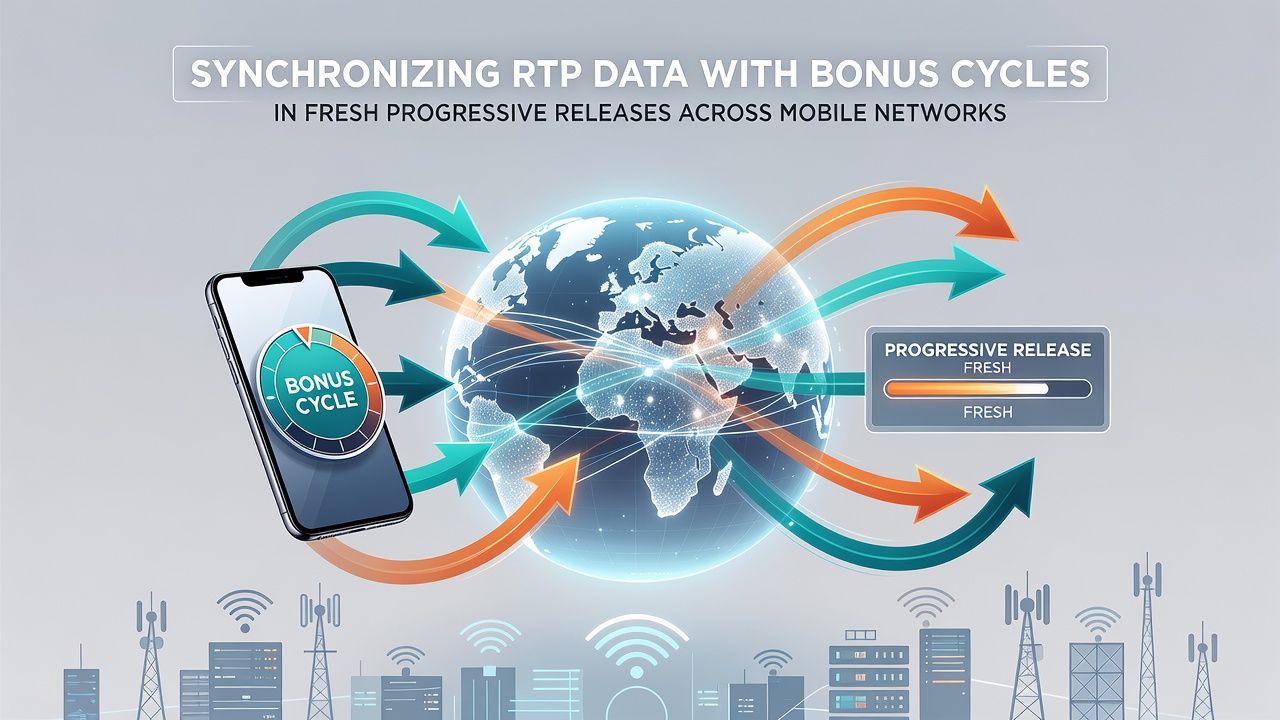
Backend servers push RTP adjustments through API calls that update mobile client displays without interrupting active sessions. Network monitoring tools detect packet loss or bandwidth drops common in cellular environments and trigger compensatory RTP recalibrations. Operators integrate these tools with bonus management platforms so that cycle launches coincide with stabilized RTP outputs. One implementation approach involves timestamped data packets that carry both RTP values and bonus eligibility flags, ensuring simultaneous application across distributed mobile users.
Network Considerations for Data Alignment
Mobile networks introduce variables such as handoff delays between cell towers and variable signal strength that affect data delivery timing. Synchronization frameworks account for these factors by buffering RTP updates until connection quality metrics reach threshold levels. Progressive jackpot meters continue incrementing regardless of network state, yet bonus cycle notifications require confirmed receipt to avoid player-facing errors. Reports from industry technology providers highlight that 5G deployments have reduced average synchronization latency compared with earlier generations, supporting more frequent RTP refreshes during bonus periods.
Regulatory and Certification Requirements
Certification laboratories evaluate RTP calculations and bonus logic before approving mobile progressive titles for distribution. Regulators in multiple jurisdictions require documentation showing how operators maintain alignment between these elements during live operation. Data logs must demonstrate that bonus cycles do not override certified RTP ranges without corresponding audit trails. According to analyses published by the New Jersey Division of Gaming Enforcement, verification procedures include periodic reviews of synchronization logs to confirm compliance across network conditions.
Implementation Examples in Recent Releases
Developers releasing progressive titles in 2026 have adopted unified timestamp protocols that link RTP tables directly to bonus schedule databases. These protocols enable automatic adjustments when mobile users cross geographic boundaries with differing network characteristics. Observers note that such systems allow operators to launch bonus cycles at predetermined intervals while preserving the integrity of progressive contribution rates. Testing environments simulate packet delays and reconnections to validate that RTP values remain within certified tolerances throughout each cycle.
Future Developments in Synchronization Standards
Industry working groups continue refining protocols for handling RTP and bonus data under