Charting Sequence-Based Payout Chains: How Inter-State RTP Shifts Influence Bonus Stacking in Regulated Mobile Progressive Networks
Written by Logan Bauer · Oct 3, 2026
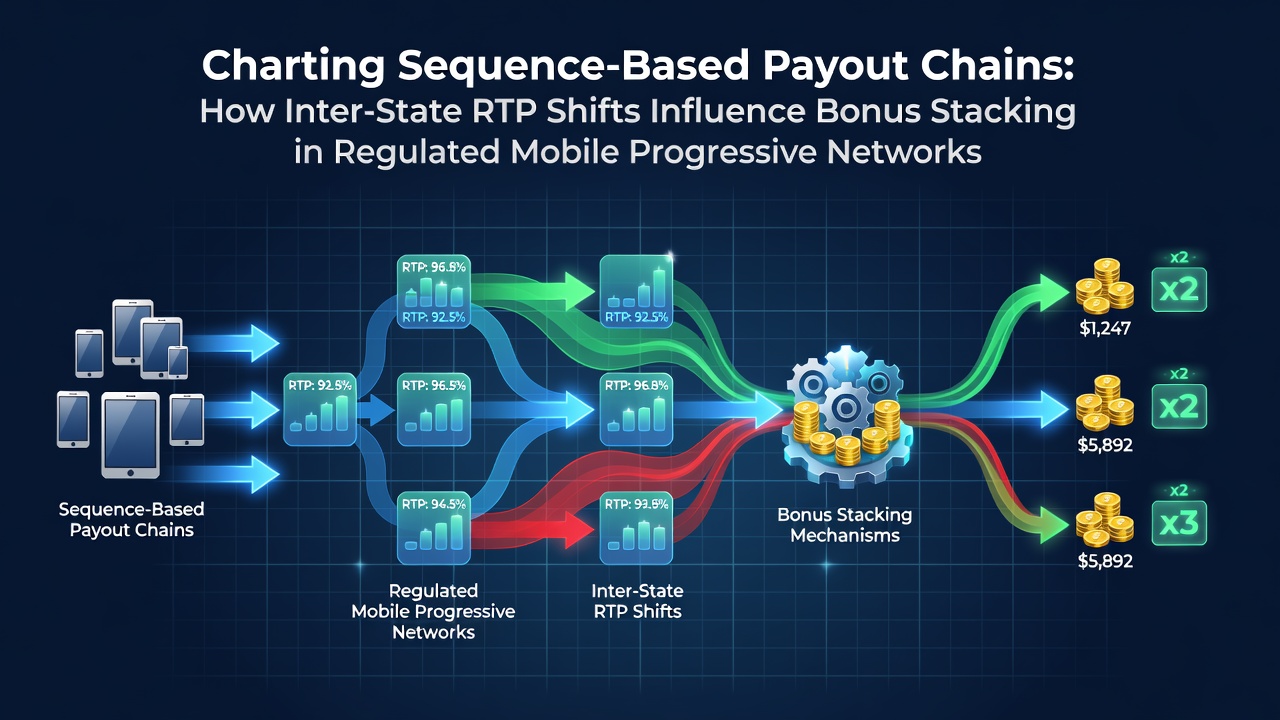
Charting Sequence-Based Payout Chains: How Inter-State RTP Shifts Influence Bonus Stacking in Regulated Mobile Progressive Networks
Sequence-based payout chains operate through interconnected mobile progressive networks where each spin outcome feeds into a cumulative jackpot structure that crosses state lines, and researchers tracking these systems note how return-to-player percentages adjust according to local regulations in places like Nevada, New Jersey, and Pennsylvania. Data from regulatory filings shows RTP values often shift by 1.5 to 4 percent between jurisdictions because each state sets its own minimum payout thresholds while shared progressive pools remain active across borders.
Understanding Sequence-Based Payout Mechanisms
Operators configure payout sequences so that base game contributions accumulate into progressive tiers, and analysts examining transaction logs find that these chains rely on timestamped data packets sent between servers in different states to verify eligibility before any bonus multiplier activates. When a player triggers a free spin round in one jurisdiction the system checks the RTP profile of the originating state against the destination pool to determine stacking potential, which means a sequence initiated in a higher-RTP environment can carry forward additional value into lower-RTP zones without violating cross-border rules.
Inter-State RTP Variations and Their Technical Impact
State gaming boards publish quarterly RTP reports that document how mobile platforms recalibrate percentages, and figures released in October 2026 by the Nevada Gaming Control Board indicate average progressive RTP climbed to 94.8 percent in that jurisdiction while neighboring states maintained rates near 92.3 percent. These differences create measurable effects on bonus stacking because algorithms adjust contribution rates in real time; a 2.5 percent RTP increase in one state can raise the effective stacking multiplier by up to 0.8 percent when the sequence crosses into a lower-rate region, according to technical documentation from network operators.
Regulatory Frameworks Governing Cross-Border Pools
Multi-state agreements require progressive networks to maintain separate accounting ledgers for each participating jurisdiction, and observers reviewing compliance records note that these ledgers prevent RTP leakage by enforcing strict contribution caps tied to each state's licensing conditions. Industry reports compiled by the American Gaming Association highlight how operators deploy geofencing tools to segment player sessions, ensuring that bonus chains respect the RTP ceiling of the state where the wager originated while still feeding into a common jackpot pool.
Technical audits conducted by independent testing labs reveal that sequence validation occurs through encrypted handshakes between state-licensed servers, and any mismatch in RTP parameters triggers an automatic recalculation of the pending stack before payout authorization. This process keeps chains intact without allowing value from higher-RTP states to artificially inflate outcomes in stricter regulatory environments.
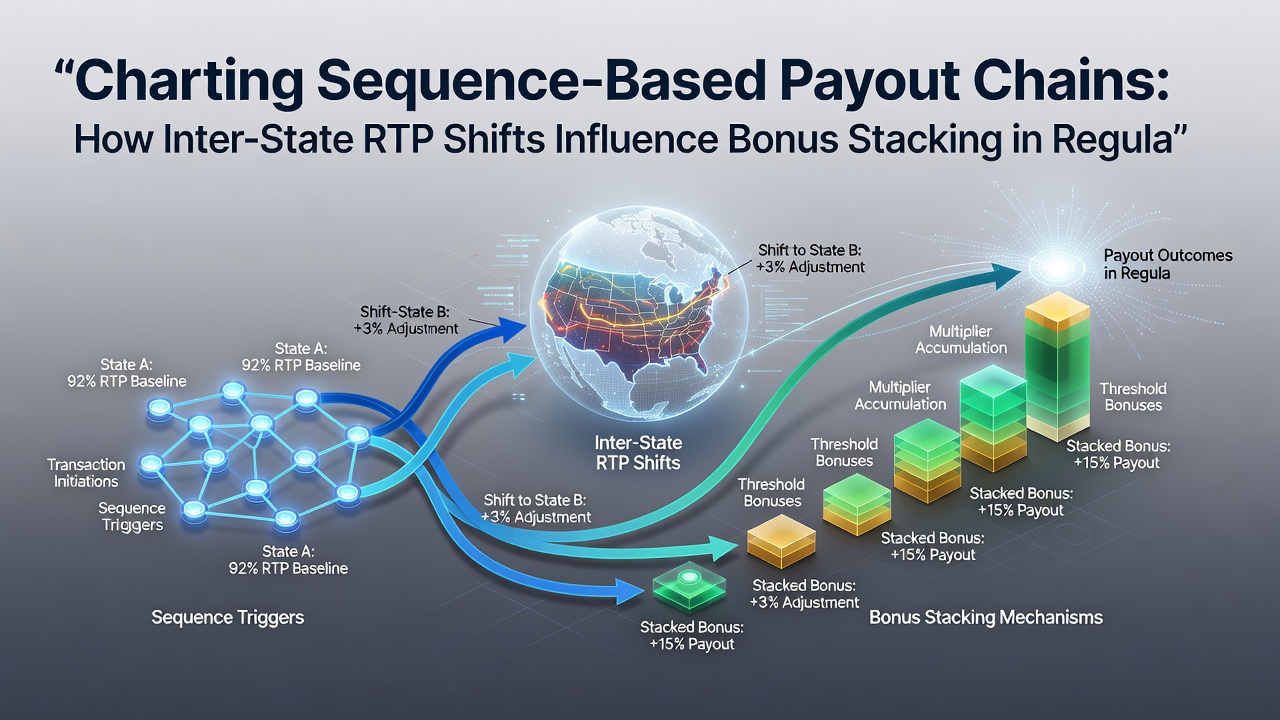
Bonus Stacking Dynamics Across Mobile Platforms
Bonus stacking occurs when consecutive free spin or multiplier events combine within a single progressive sequence, and data aggregated from platform telemetry shows that inter-state RTP shifts directly alter teh probability curve for these combinations. In environments where RTP rises mid-sequence the system increases the frequency of low-tier bonus triggers, whereas a drop in RTP prompts tighter distribution of high-value stacks to maintain overall house edge targets set by each state.
Case studies from network operators demonstrate that players moving between state-licensed apps experience seamless chain continuation because the backend normalizes contributions at the point of state transition, and this normalization relies on pre-approved RTP mapping tables updated monthly by regulatory authorities. Research published through academic partnerships with the University of Nevada Reno gaming technology program confirms that these mapping tables reduce stacking variance by approximately 12 percent compared with earlier single-state systems.
Data Patterns Observed in October 2026
Platform analytics released during October 2026 indicate a 7 percent rise in cross-state progressive sequences compared with the prior quarter, driven largely by expanded mobile licensing in additional jurisdictions. Regulatory summaries note that RTP adjustments implemented that month produced corresponding shifts in stacking frequency, with higher-RTP states contributing proportionally more to the shared pool without exceeding contribution limits enforced by interstate compacts.
Conclusion
Inter-state RTP shifts continue to shape how sequence-based payout chains manage bonus stacking within regulated mobile progressive networks, and the technical infrastructure supporting these adjustments relies on precise mapping tables, encrypted validation protocols, and ongoing oversight from multiple state gaming authorities. Ongoing data collection from operators and testing labs provides the factual basis for understanding these interactions as networks expand across additional jurisdictions.