Calibrating Return-to-Player Percentages for Innovative Slot Launches and Bonus Structures
Written by Logan Bauer · Sep 5, 2026

Calibrating Return-to-Player Percentages for Innovative Slot Launches and Bonus Structures
Operators adjust return-to-player percentages during the rollout of fresh slot titles because game providers often supply multiple RTP configurations that must align with local regulations and operator goals, while bonus features alter the effective payout distribution across thousands of spins. Research from the Nevada Gaming Control Board shows that verification protocols require testing at least 10 million simulated spins before a new title receives final approval in that jurisdiction, and those protocols incorporate bonus trigger rates as a core variable in the calibration model.
Core Principles Behind RTP Configuration
Return-to-player values represent the theoretical percentage of wagered amounts a game returns over extended play periods, and calibration begins with selecting the correct version from the provider's library based on jurisdiction-specific caps. In markets such as New Jersey and Pennsylvania, statutes set minimum RTP thresholds at 83 percent and 85 percent respectively, which forces operators to exclude lower settings when preparing new releases that include layered bonus rounds. Data collected by the International Association of Gaming Regulators indicates that 62 percent of new slot submissions in 2025 underwent at least one RTP adjustment after initial submission because bonus mechanics created variance spikes that exceeded acceptable parameters.
Testing Protocols for New Releases
Engineers run controlled simulations that isolate base game RTP from bonus RTP contributions, and they apply weighted random number generator seeds to verify that combined figures remain within 0.5 percent of the target across multiple volatility profiles. One documented case involved a major provider recalibrating a progressive title after September 2026 compliance audits revealed that free-spin multipliers pushed the effective RTP 1.8 percent above the advertised rate in high-volatility modes. Those adjustments required code-level changes to the bonus trigger frequency rather than simple scaling of payout tables, illustrating how calibration now extends beyond static percentages into dynamic feature weighting.
Integrating Bonus Features Without Distorting Targets
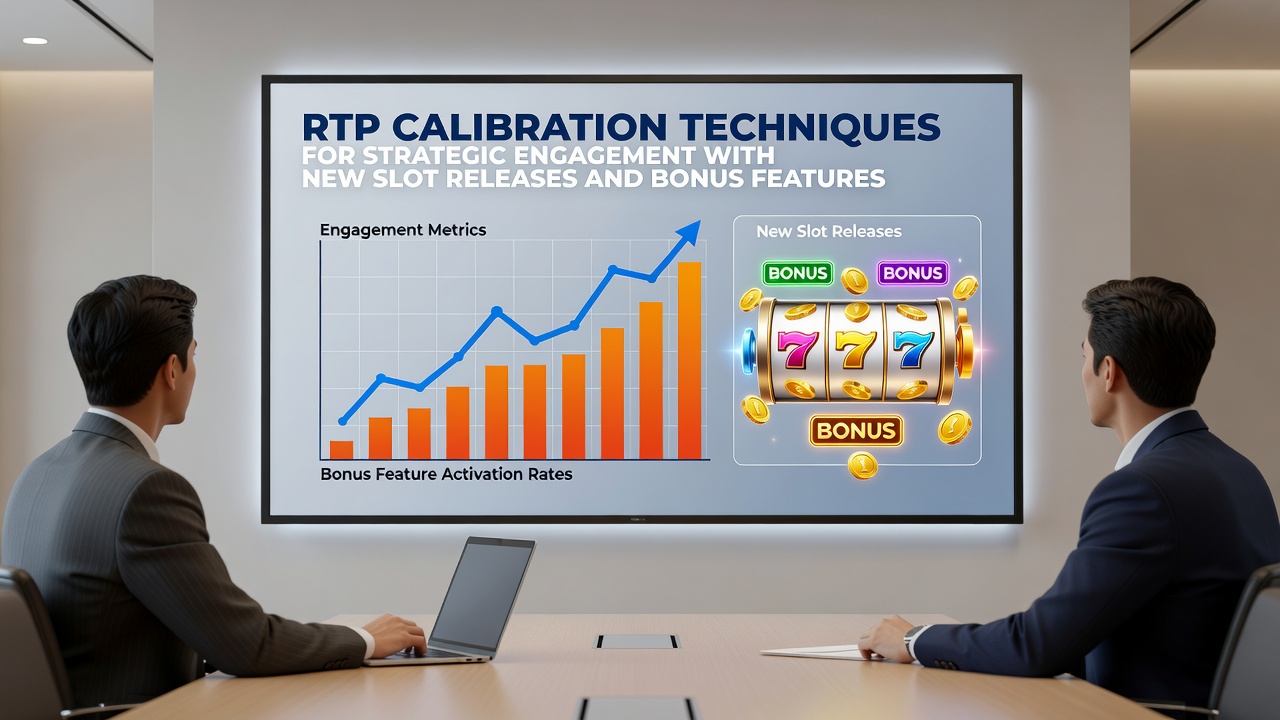
Bonus rounds contribute additional RTP through their own payout tables, and calibration teams map every possible outcome path to ensure the feature does not create unintended long-term drift. Researchers at the University of Nevada, Las Vegas Center for Gaming Research published findings in early 2026 that demonstrated bonus stacking in certain mobile titles could shift overall RTP by up to 3.2 percent when players activate multiple features in sequence, prompting operators to introduce separate RTP settings for base game versus bonus-inclusive modes. Calibration therefore requires separate certification for each configuration, and regulators in Ontario and Australia now mandate disclosure of both figures on game information screens.
Regulatory Reporting and Ongoing Monitoring
After launch, operators submit monthly RTP reports that compare theoretical and actual returns, and deviations exceeding 1 percent trigger mandatory recalibration reviews within 30 days. The Alcohol and Gaming Commission of Ontario requires real-time monitoring dashboards for any title whose bonus features exceed 15 percent of total RTP contribution, and similar requirements appear in draft legislation under consideration in several Australian states. Those who manage large slot portfolios note that automated calibration tools now flag anomalies within hours rather than weeks, reducing the window during which an out-of-specification game remains available to players.
Strategic Considerations for Multi-Jurisdiction Releases
Providers supply region-specific builds that carry distinct RTP profiles, and operators coordinate with legal teams to ensure each market receives the version that satisfies both minimum and maximum thresholds while preserving bonus appeal. Cross-border releases scheduled for September 2026 face additional complexity because several Canadian provinces updated their bonus disclosure rules to require separate RTP labeling for each feature type, forcing last-minute recalibrations in multiple titles. Calibration teams therefore maintain version-control systems that track every permitted RTP setting alongside corresponding bonus parameters, allowing rapid redeployment when regulators issue updated guidelines.
Conclusion
Effective RTP calibration for new slot releases integrates regulatory limits, bonus mechanics, and continuous monitoring into a single workflow that begins during game certification and extends through the title's operational life. Data from multiple jurisdictions confirm that systematic testing and version management keep actual returns aligned with advertised figures, while ongoing regulatory evolution continues to shape the technical requirements operators must satisfy when introducing fresh content.