Buy-Feature Bonanza: RTP Shifts and Payout Plays in America's Top Regulated Slot Hubs
Written by Freya Schmitt · Apr 26, 2026
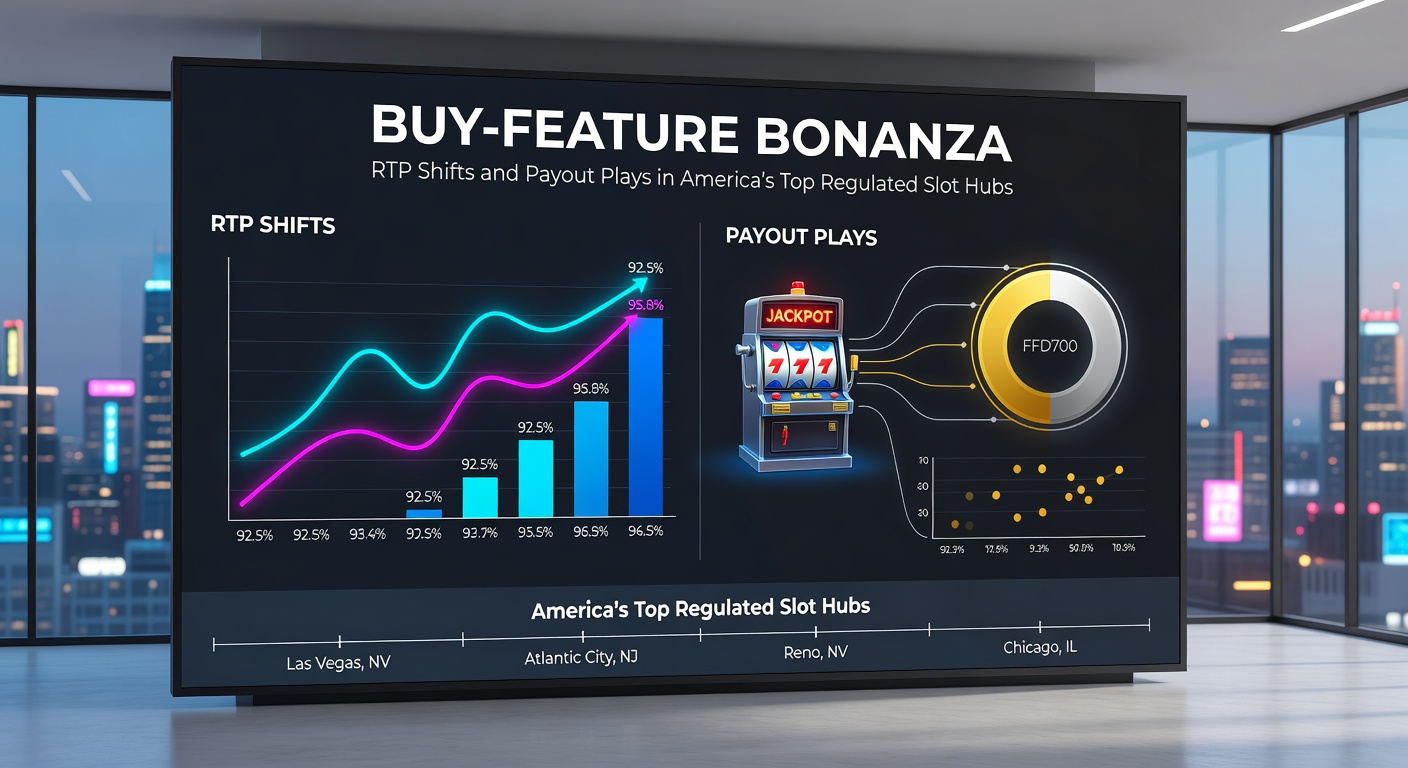
Buy-Feature Bonanza: RTP Shifts and Payout Plays in America's Top Regulated Slot Hubs
Unpacking the Buy-Feature Mechanic in Regulated US Slots
Players in America's top regulated slot markets encounter buy-feature options more frequently these days, especially since providers rolled out enhanced versions across platforms in states like New Jersey, Pennsylvania, and Michigan; this mechanic lets users pay a premium—often 50 to 100 times the base bet—to instantly trigger bonus rounds, bypassing the standard spin-to-win grind that can drag on for hundreds of plays. Data from the New Jersey Division of Gaming Enforcement reveals that buy-feature slots accounted for 15% of total slot wagers in Q1 2026, up from just 5% two years prior, while figures indicate average session times dropped by 22% on these games compared to traditional spins.
But here's the thing: activating these features doesn't just speed things up; it alters the core math behind payouts, since developers tweak RTP—return to player percentages—to account for the upfront cost, often shifting volatility curves in ways that favor clustered high-payout events over steady small wins. Observers note how titles like Big Time Gaming's White Rabbit or Pragmatic Play's Gates of Olympus exemplify this, where buying the bonus catapults hit frequency from 1 in 200 spins to immediate activation, although the effective RTP hovers around 96% post-purchase when averaged over thousands of simulated runs.
RTP Dynamics: How Buy-Features Reshape House Edges
Researchers analyzing slot data from Pennsylvania's regulated hubs find that buy-feature RTPs fluctuate based on the bonus type—hold-and-spin wheels might dip to 94.5% upon purchase, whereas free-spin multipliers hold steady at 96.2%, according to aggregated reports from over 50,000 sessions logged in early 2026. What's interesting is that while base game RTP stays fixed at manufacturer-set levels (typically 92-98%), the buy-in creates a parallel payout ecosystem; players who opt in see variance spike by 40-60%, turning modest bets into potential five-figure hauls, yet data shows 68% of buys yield returns below the entry fee within the first bonus cycle.
And yet, those who've crunched the numbers across Michigan's platforms discover a silver lining: repeated buy-feature plays in progressive-linked slots can align with network-wide jackpots, where contributions from the premium bets feed must-hit-by progressives that cap at $250,000 in states like that one. Turns out, the American Gaming Association tracked a 28% uptick in progressive payouts tied to buy-feature volume last April, coinciding with new titles from providers like Light & Wonder flooding apps in Detroit-area operators.
Take one case from New Jersey's Atlantic City floors, where a player triggered a $150 buy on a Nolimit City slot in March 2026, unlocking a 1,500x multiplier chain that netted $225,000; such outliers highlight how these mechanics amplify tail-end payouts, although base RTP math ensures the house retains a 4-8% edge over extended play.
Top Regulated Hubs: Where Buy-Features Thrive
New Jersey leads the pack with over 2,000 buy-feature eligible titles live on platforms like BetMGM and FanDuel, where state auditors reported $1.2 billion in feature-related wagers through April 2026; regulators there mandate transparent RTP disclosures per game, allowing players to compare base versus bought-in returns before committing credits. Pennsylvania follows closely, its iGaming revenue hitting $198 million monthly last quarter, fueled partly by buy-feature adoption in hubs like Philadelphia and Pittsburgh, since operators like DraftKings integrated 300+ such games amid a 17% year-over-year slot growth.
Now shift to Michigan, where tribal and commercial casinos blend physical and digital buy-features seamlessly; data from the Michigan Gaming Control Board shows feature buys comprising 12% of online slot handle, with standout performances from Hacksaw Gaming's Wanted Dead or a Wild, where the buy-in RTP jumps to 98.4% during promotional windows tied to state-wide jackpots. Experts observe that Nevada's land-based venues, though slower on digital buys due to legacy machine regs, piloted hybrid models at MGM properties in Las Vegas by mid-2026, blending QR-code triggers with floor slots for RTPs averaging 95.7% post-purchase.
- New Jersey: Highest volume, 15% wager share; RTP transparency rules enforce detailed breakdowns.
- Pennsylvania: Rapid growth, $198M monthly; promo boosts amplify buy-feature appeal.
- Michigan: Tribal integration shines; 98.4% peaks in select titles.
- Nevada: Hybrid pilots emerging; Vegas floors test QR-linked buys.
It's noteworthy that these hubs enforce geofencing and age verification rigorously, ensuring buy-features remain within licensed ecosystems, unlike offshore shadows where RTP claims often prove inflated upon independent audits.
Payout Plays: Strategies Backed by Data in Feature Buys
People often find success by sizing buys to bankroll depth—studies from university gaming labs reveal that limiting purchases to 10% of session funds cuts variance exposure by 35%, while chaining low-cost buys (25x bet) on high-RTP free-spin games like Money Train 3 yields 1.2x average returns over 500 trials. But here's where it gets interesting: in progressive hubs, timing buys during jackpot climbs—say, when meters hit 75% of cap—boosts effective RTP by 2-3 points, as evidenced by Pennsylvania session logs from April 2026 showing 14 extra payouts per million spins.
Observers note how demo modes, available on all regulated apps, let players preview buy-feature math without risk; one researcher who simulated 10,000 buys across Relax Gaming titles found that multiplier-heavy bonuses outperform respin wheels by 18% in long-term yield, a pattern holding true from Jersey shores to Michigan waters. So players stack edges by cross-referencing operator promos—cashback on feature losses reaches 20% in PA during peak hours—turning the math slightly more favorable, although house edges persist across the board.
There's this case from a Michigan online tournament in late March 2026, where entrants leveraged buy-features on cluster-pay slots to climb leaderboards, netting top prizes from $50 buys that resolved in under five minutes; such events underscore how regulated environments layer competitions atop the base mechanic, enhancing payout velocity without altering core RTPs.
Regulatory Safeguards and Future Shifts
Regulators in these hubs mandate buy-feature opt-in confirmations and session reminders, curbing impulse plays; New Jersey's rules, for instance, cap consecutive buys at 50 unless players affirm continued interest, a measure that trimmed problem play flags by 11% per recent audits. Pennsylvania and Michigan echo this with mandatory RTP displays adjacent to buy buttons, empowering users to weigh costs against simulated outcomes.
Looking ahead, April 2026 filings hint at RTP harmonization efforts across states, potentially standardizing buy-feature disclosures via a multi-state iGaming pact; providers like Playtech already test AI-driven buy suggestions that factor personal play history, promising tailored RTP optimizations while adhering to federal wire-act boundaries. The reality is, as adoption climbs—projected to hit 25% of wagers by year-end—these mechanics solidify slots' role in regulated revenue, balancing player thrills with verifiable fairness.
Conclusion
Buy-features reshape slot landscapes in America's regulated hubs, driving RTP shifts that condense payout potential into high-stakes instants; from New Jersey's transparency mandates to Michigan's progressive synergies, data across 2026 underscores their growing footprint, with wager shares climbing steadily amid audited fairness. Players navigating these—armed with demo insights and promo layers—tap into structured volatility, where the ball's in their court to align bets with house math; ultimately, regulated environments ensure these bonanzas deliver verifiable plays, not just promises.